

HistoryZ evidence guide
A famous name that is not an identification
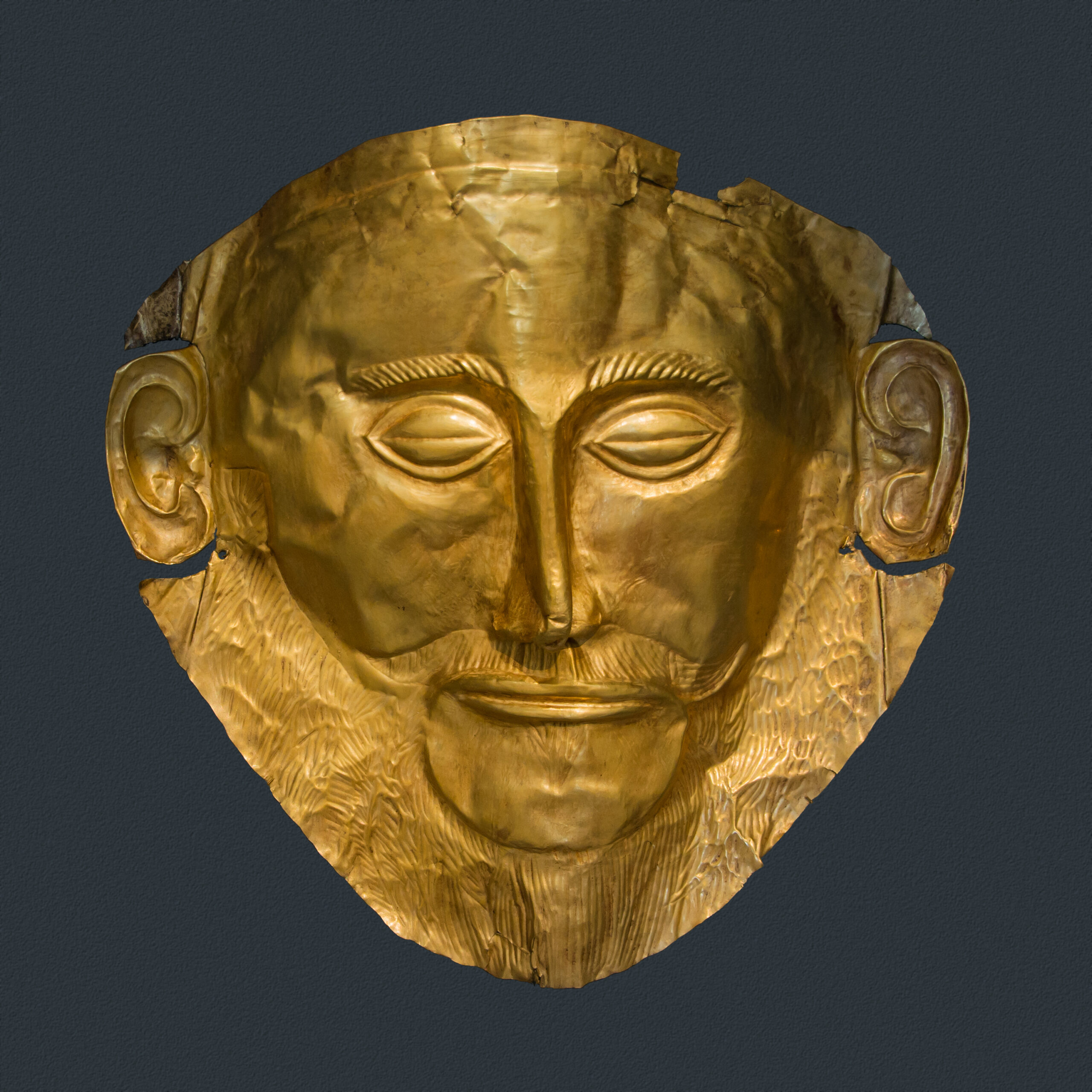
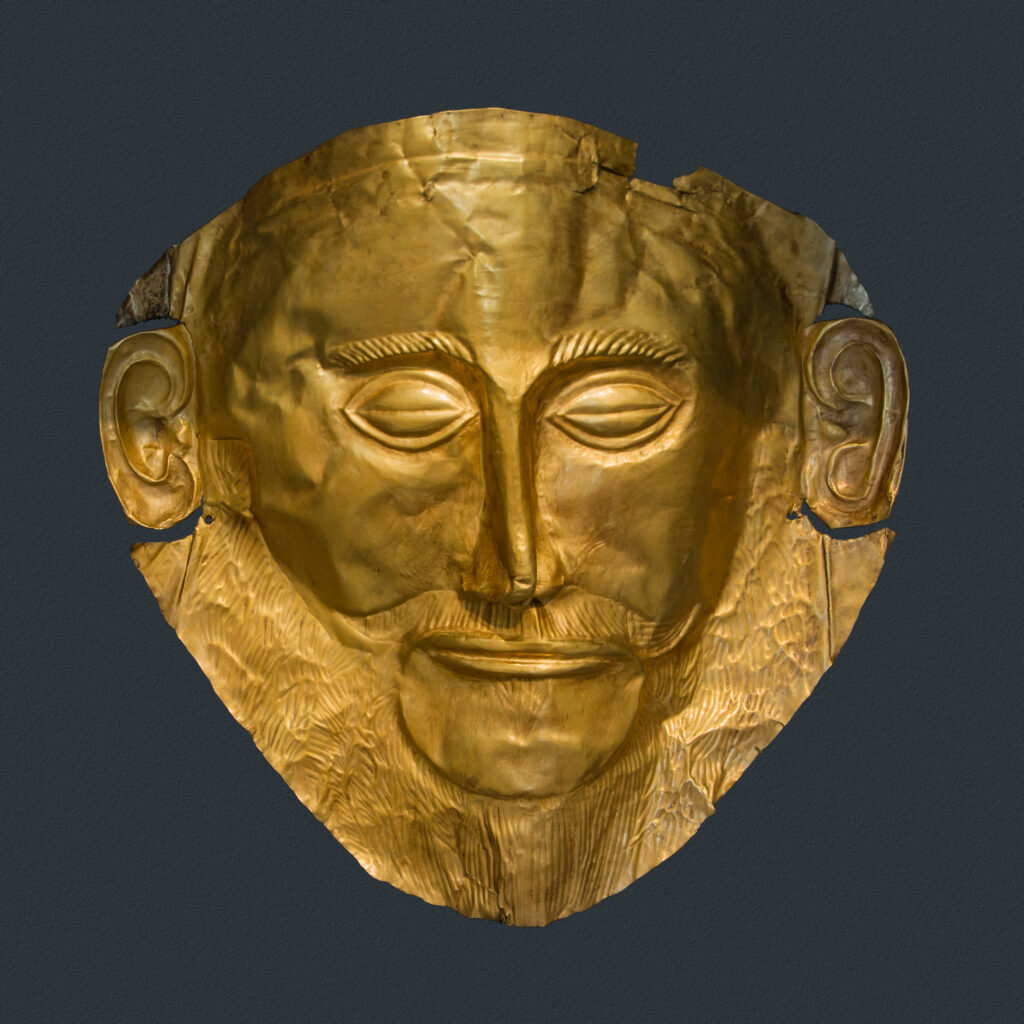
The gold funerary mask found at Mycenae in 1876 is conventionally called the ‘Mask of Agamemnon.’ That label is memorable but not a secure identification. The National Archaeological Museum places the burials of Grave Circle A in the sixteenth century BCE, at least several centuries before the archaeological horizon usually associated with the Trojan War. No inscription on the mask names its wearer.
The distinction matters because an object can be authentic, important and badly named at the same time. The mask is evidence for elite burial and metalworking in early Mycenaean society. It is not a portrait whose subject can be matched to Homer from facial features.
Discovery and the documented grave context
Heinrich Schliemann excavated Grave Circle A under the supervision of the Greek ephor Panagiotis Stamatakis. Several gold masks were recovered from shaft graves, not just the one that later dominated reproductions. Stamatakis kept detailed notes on the graves, bodies and associated objects. Those records are essential because archaeological meaning depends on find location and association, not only visual appeal.
The celebrated mask came from Grave V. Its sheet gold was shaped to represent a face, including a moustache and separately modelled ears. Comparison with other masks can show stylistic difference, but difference does not automatically establish either a named person or a modern forgery.
What the date changes
A sixteenth-century BCE date places the burial in the formative era of Mycenaean palatial culture. It changes the question from ‘Is this Homer’s king?’ to ‘What did gold face coverings communicate within an early elite cemetery?’ Grave goods, skeletal evidence, architecture and the pattern of multiple burials can address wealth, ritual and emerging authority more directly than epic genealogy can.
Homeric poems reached written form much later and preserve layered traditions. Archaeology and epic may illuminate how later Greeks imagined a heroic past, but they cannot be fused by assigning a famous literary name to an earlier uninscribed face.
The forgery debate and independent records
Doubts about Schliemann are understandable: he was prone to self-promotion and some of his stories are unreliable. Scholars have therefore asked whether the mask’s unusual features could reflect interference. Suspicion, however, needs positive evidence. The excavation diary of Stamatakis supplies an independent contemporary record of work at Mycenae and weighs against a simple tale in which Schliemann could introduce an object without notice.
The National Archaeological Museum and modern summaries treat the mask as an authentic Grave Circle A find. That does not make every old excavation claim correct. It shows why evaluating provenance requires records, object study and comparison rather than judging whether a face looks ‘too modern.’
A better museum label in your head
Readers can translate the traditional label into a more precise one: ‘gold funerary mask from Grave V, Grave Circle A, Mycenae, sixteenth century BCE; traditionally called the Mask of Agamemnon.’ That wording preserves the familiar search term while preventing the name from doing evidentiary work it cannot support.
The mask’s real value is not reduced by losing Agamemnon. It becomes more useful. It connects a documented burial assemblage to craft, status and the early Mycenaean world, while the history of its nickname shows how excavation publicity can shape public memory for generations.