
Introduction
In the heart of the British Museum lies a remarkable artifact that changed our understanding of ancient civilizations forever—the Rosetta Stone. Discovered in 1799 by French soldiers during Napoleon’s campaign in Egypt, this granodiorite stele is not just a piece of stone; it’s a linguistic treasure, a key that unlocked the mysteries of Egyptian hieroglyphs, which had been undecipherable for nearly two millennia. How did this one stone become a pivotal touchstone in the fields of archaeology and linguistics? What secrets are etched into its surface, and who were the individuals whose lives intertwined with this monumental find? Join us on a journey through time as we delve into the historical significance of the Rosetta Stone and explore the profound effects it has had in bridging the gap between our world and the enigmatic civilization of ancient Egypt.
Historical Background and Context
The Rosetta Stone dates back to 196 BC and was inscribed during the reign of Ptolemy V Epiphanes, a pivotal time when Egypt was under Greek rule following the conquests of Alexander the Great. After Alexander’s death, his empire was divided, and Egypt became a part of the Ptolemaic Kingdom, which blended Greek and Egyptian cultures. This stele was created to celebrate the king’s accession and declare his achievements, exemplifying the syncretism of the period.
Before the discovery of the Rosetta Stone, Egypt’s hieroglyphs were a lost form of writing that had puzzled scholars and intrigued historians for centuries. The last known use of hieroglyphs had faded away by the 4th century AD, leading many to believe the writing system had completely vanished. Ancient scholars like the Greek historian Herodotus had written about Egypt and its incredible history, yet the details remained elusive. The arrival of European scholars in the 18th century, driven by a wave of interest in antiquity during the Enlightenment, sparked a quest to understand ancient cultures, notably that of Egypt.
The context of the Rosetta Stone’s discovery is equally compelling. The stone was found amidst the chaos of the Napoleonic Wars, highlighting the intersection of colonial ambition and the race for knowledge. As Europe sought to expand its empires, the desire to uncover the past took precedence. The stone was deemed significant not just for its linguistic value but also for its potential to solidify European claims over Egypt. This period of exploration and discovery set the stage for European Egyptology and ultimately led to a renewed fascination with ancient civilizations, culminating in the ascendance of disciplines focused on archaeology, anthropology, and linguistics.
Key Events, Battles, or Developments
The journey of the Rosetta Stone from its creation to its current home in the British Museum is marked by a series of significant events that shaped its legacy. One fateful moment in its history occurred during the summer of 1799 when the French military expedition, led by Napoleon Bonaparte, arrived in Egypt with ambitions of conquest and exploration. As the French forces dug their way through the sands of Egypt, they unearthed the stone in the town of Rashid (known as Rosetta in French). This chance discovery was a boon for linguists and historians, as it presented an opportunity to decode the lost language of ancient Egypt.
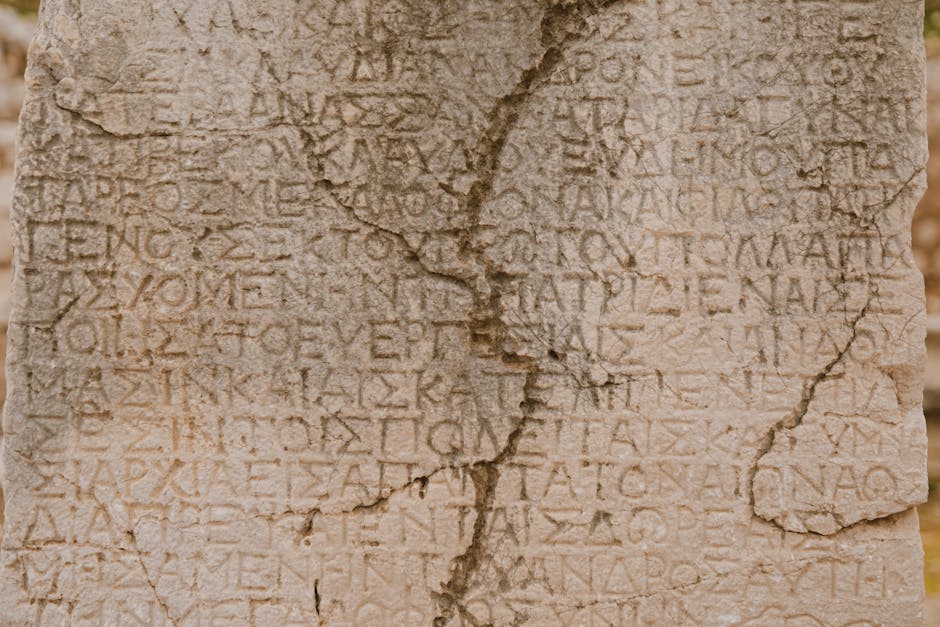
Upon its discovery, the Rosetta Stone was essential in the formation of the study of Egyptology, but it wasn’t until 1822 that significant progress was made in understanding its inscriptions. The stone contains the same text inscribed in three distinct scripts: Greek, Demotic, and Egyptian Hieroglyphs. This particular feature became the cornerstone for decoding the hieroglyphics, as scholars could use the known Greek text to interpret the other languages.
Among the significant events that followed its discovery was the intense study by various scholars, most notably Jean-François Champollion. In 1822, Champollion made groundbreaking progress by comparing the Greek text to the hieroglyphs. His work culminated in the realization that hieroglyphs could represent sounds rather than just concepts, a revolutionary understanding that laid the groundwork for interpreting the extensive corpus of Egyptian texts. Furthermore, the deciphering of the Rosetta Stone opened the floodgates for subsequent archaeological findings, including tombs, temples, and papyri, all contributing to a richer understanding of ancient Egyptian civilization.
Through the next few decades, the significance of the Rosetta Stone continued to grow, and it became an integral part of the narrative of Egypt’s colonization and cultural heritage. By 1801, the British had seized control of Egypt, and the stone was transported to the UK, where it has remained a focal point for research and scholarship. The British Museum’s acquisition of the stone took place amid a broader imperial narrative, intertwining the legacies of colonialism and discovery in the age of Enlightenment.
Over the decades since its arrival in London, the Rosetta Stone has drawn millions of visitors and has become synonymous with Egyptology. Scholars have continued to study its inscriptions, leading to the creation of new techniques within linguistics and archaeology that have broadened our understanding of ancient Egypt.
Important Figures and Their Roles
The story of the Rosetta Stone is inextricably linked with several key figures whose contributions shaped the understanding of this ancient artifact. Among them, the most celebrated is Jean-François Champollion, whose groundbreaking work in 1822 marked a turning point in Egyptology. Born in Figeac, France, on December 23, 1790, Champollion’s lifelong fascination with the languages of ancient Egypt led him to dedicate his life to deciphering the hieroglyphs. By leveraging his knowledge of Coptic, a direct descendant of ancient Egyptian, along with the Greek text on the Rosetta Stone, Champollion finally unlocked the secrets held within the hieroglyphs. His findings were a major milestone in the understanding of ancient texts and propelled him to the forefront of the nascent field of Egyptology.
Another critical figure is Thomas Young, an English polymath who independently studied the Rosetta Stone before Champollion. Young’s work focused on making sense of the Demotic script, and he made significant strides in understanding the phonetic values of some hieroglyphs. Though his contributions led to important insights, Champollion ultimately surpassed him in comprehending the full language, primarily due to his deep knowledge of Coptic.
The role of the French military officers, who first uncovered the stone, is also noteworthy. Soldiers such as Pierre-François Bouchard played an instrumental role in such archaeological discoveries, leading to the later documentation of artifacts in Egypt. Furthermore, the academics who formed part of the Commission of Sciences and Arts, which accompanied Napoleon to Egypt, contributed to preserving valuable records and heritage that benefitted future scholars.
Other prominent Egyptologists in the wake of the Rosetta Stone’s discovery, such as Auguste Mariette and Howard Carter, helped advance the field of Egyptology and denoted their exploratory work with the uncovering of tombs and temples, many of which provided context and examples of the written language that Champollion’s work brought to light. These figures collectively contributed to the brickwork of knowledge that surrounds the Rosetta Stone today.
Causes and Consequences
The discovery of the Rosetta Stone can be attributed to several interlinked causes, both specific and broader trends in history. The French colonization of Egypt under Napoleon Bonaparte was a direct catalyst for the stone’s discovery. Napoleon’s ambitions were not purely military; he sought to enhance France’s standing in scientific and cultural arenas. This blend of military and scientific exploration ultimately led to the unearthing of the artifact.
Furthermore, the Enlightenment period, with its emphasis on reason, science, and the systematic exploration of the natural world, fostered a keen interest in languages, history, and archaeology, contributing to a driven pursuit of ancient texts. Notable scholars began publishing works that drove interest in Egypt’s past. As a piece of evidence of ancient Egyptian civilization, the Rosetta Stone emerged as a symbol not just of language but of cultural heritage.
The consequences of the stone’s decipherment were profound. First and foremost, Champollion’s work led to the rebirth of ancient Egyptian history as a respected field of study, opening up new avenues for research and exploration. Scholars could now read previously unintelligible texts, leading to discoveries in literature, religion, and governance—fields that were crucial in understanding the complexity of ancient Egyptian society.
The stone also played a more extensive role in historical narratives that affected colonial dynamics. With knowledge gained about Egyptian history and culture, European powers could assert cultural dominion and justify their colonial endeavors in the region, a process that often disregarded the indigenous cultures and histories. The legacies of such dynamics continue to resonate in contemporary discussions about cultural heritage and repatriation.
Global Impact and Legacy
The impact of the Rosetta Stone extends beyond academia; it has become a symbol of knowledge and discovery, representing humanity’s desire to connect with its past. The stone’s bilingual inscriptions made it an invaluable resource, enhancing cross-cultural communication and understanding that resonated through subsequent generations. Scholars and enthusiasts alike regard Rosetta Stone’s decipherment as one of the most significant achievements in the field of linguistics and archaeology.
The legacy of the Rosetta Stone is apparent in various domains, notably in popular culture, where the notion of “Rosetta Stone” has taken on metaphorical meanings, often symbolizing the interpretation or deciphering of complex language and tradition. The digital age has also seen companies utilizing the name for language-learning tools, further demonstrating its relevance and ubiquity in various aspects of education and personal development.
The ongoing studies propelled by the stone continue to shape modern understandings of ancient civilizations, from archaeological digs in Egypt to advances in technology that allow researchers to analyze ancient texts with new methods, including imaging technology. Every new finding or insight offers fresh perspectives on the lives of the pharaohs, the construction of pyramids, and the intricate social tissues of ancient Egyptian civilization.
Fascinating Little-Known Facts
While the Rosetta Stone is widely recognized and studied, several less well-known facts add to its allure: One intriguing aspect is that the stone displayed discrepancies between the three languages. Egyptologists have noted subtle differences in phrasing that provide deeper insights into the linguistic and cultural variances among the texts. Additionally, it wasn’t the only stone proclaiming similar decrees; there are others that exist, although none have achieved the same fame.
Another captivating detail is that the stone was initially viewed with skepticism by some scholars who believed that hieroglyphs were purely symbolic and did not represent spoken words. It wasn’t until Champollion’s comprehensive approach that the phonetic nature of the hieroglyphs became understood. Lastly, the stone itself has survived multiple moves, including the controversial relocation to the British Museum, which speaks to the ongoing global conversations surrounding colonization and the ownership of cultural artifacts.
Conclusion: Modern Relevance
The Rosetta Stone’s profound relevance continues to permeate discussions in modern society, particularly regarding language, communication, and cultural heritage. As globalization connects diverse cultures, the stone serves as a reminder of the importance of understanding language as a bridge between civilizations. In today’s world, where misunderstandings can lead to conflict, the Rosetta Stone symbolizes how knowledge can unite rather than divide. Holding the power to connect yet also reflecting the complexities of historical narratives, the legacy of the Rosetta Stone remains both a lesson and an inspiration for future generations seeking to decode the richness of human history.