
Compelling Introduction
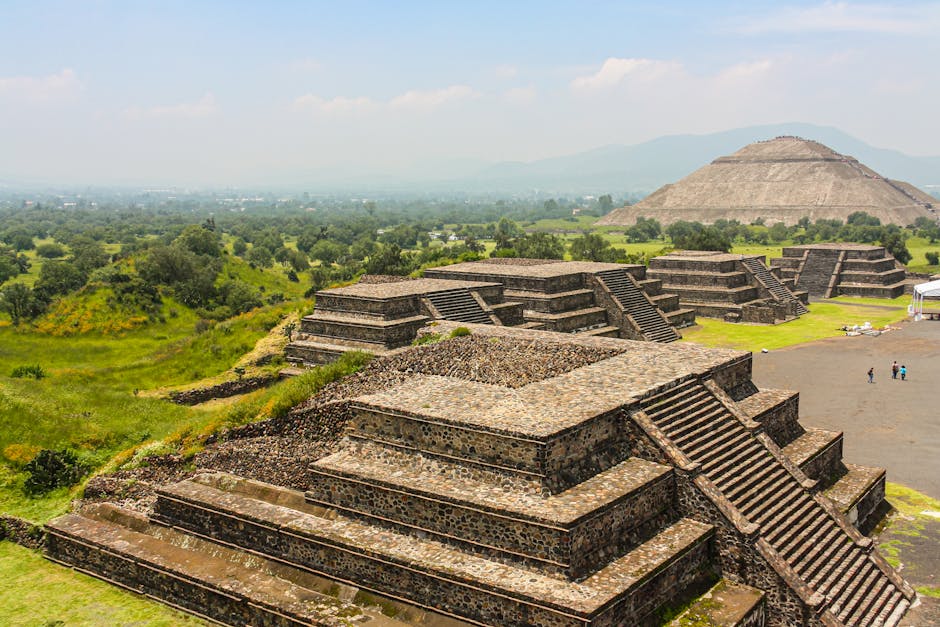
Imagine a world where sprawling cities rise from the jungle, where temples stretch towards the sky, and sophisticated societies thrive amidst breathtaking natural beauty. This was the essence of the Aztec Empire, a remarkable civilization that captured the imagination of explorers and historians alike. The Aztecs were a remarkable blend of art, science, and warfare, creating a society that left a lasting legacy on our understanding of pre-Columbian history. In this journey through time, we will explore the intriguing rise and fall of the Aztec Empire, delving into its vibrant culture, intricate social hierarchy, and the dramatic events that led to its ultimate demise. Join me as we navigate through this captivating era that shaped not only Mexico but also the course of human history.
Historical Background and Context
To comprehend the splendor and eventual decline of the Aztecs, it is crucial to understand the historical backdrop against which they emerged. The Aztec civilization, also referred to as the Mexica, was one of several advanced cultures that developed in Mesoamerica. The timeline for their ascendance began in the early 14th century, long after the decline of the Teotihuacan civilization and during the rise of various regional states such as the Maya in the southeast and the Toltecs in central Mexico.
The Mexica initially arrived in the Valley of Mexico around the year 1250 AD as a nomadic tribe. They settled on the marshy island of Lake Texcoco, where they founded Tenochtitlán in 1325. The Mexica were able to exploit the region’s resources and began constructing remarkable hydraulic engineering systems to combat the harsh environmental conditions, laying the foundation for their urban prosperity.
By the late 14th century, the Mexica began to expand through military conquest and alliances, capitalizing on their growing power. They formed the Triple Alliance with Texcoco and Tlacopan in 1428, which marked the true beginning of the Aztec Empire, uniting vast territories and diverse native peoples under their dominion. Under the rule of Emperor Moctezuma II, from 1502 to 1520, the empire reached its zenith, controlling much of central Mexico and establishing itself as a dominant force in the region.
The cultural achievements of the Aztecs were profound. They developed an intricate social structure, a rich pantheon of gods, and remarkable artistic expressions in sculpture, painting, and architectural feats. Their religion was deeply intertwined with every aspect of life, dictating their agricultural practices, political structures, and social interactions. Human sacrifices, for instance, were integral to their belief that appeasing the gods was essential for sustaining the world.
This golden age, however, would not last. European contact, led by Hernán Cortés in 1519, would soon alter the course of history for the Aztecs forever. The combination of military prowess, alliances with indigenous enemies, and the devastating impact of European diseases would ultimately lead to their downfall. The stage was set for a dramatic confrontation that would not only shatter the Aztec way of life but redefine Mesoamerica entirely.
Key Events, Battles, and Developments
As we explore the key events that punctuated the history of the Aztec Empire, the tapestry of their achievements, conquests, and encounters with outsiders becomes vivid. Here are some significant developments that shaped their empire:
The Foundation of Tenochtitlán (1325)
In 1325, the Mexica established Tenochtitlán, their capital city, on an island in Lake Texcoco. According to legend, they chose this location after following a prophecy that directed them to find an eagle perched on a prickly pear cactus, devouring a snake. With unequaled engineering skills, they expanded their island home, constructing canals and causeways that facilitated trade and travel.
Formation of the Triple Alliance (1428)
The year 1428 marked the formation of the Triple Alliance with Texcoco and Tlacopan. This partnership cemented the Aztecs as a military and political power in Mesoamerica. Together they launched a series of military campaigns that brought countless cities under their control, expanding their territory and influence dramatically.
Conquest of the Huastecs (1460)
In 1460, under Emperor Axayacatl, the Aztecs turned their attention to the Huastec region, leading a series of campaigns that resulted in the assimilation of these territories into the empire. This conquest exemplified their military might and strategic prowess.
Moctezuma II’s Reign (1502-1520)
The reign of Moctezuma II was marked by significant cultural, economic, and military advances. He further enhanced the already vast tribute system established by previous rulers, collecting resources from vast areas of Mesoamerica. It was during his leadership, particularly in 1519, that Hernán Cortés arrived in the Aztec Empire, an encounter that would ignite catastrophic consequences.
Arrival of Hernán Cortés (1519)
In 1519, Spanish conquistador Hernán Cortés landed on the shores of Mexico. Guided by a discontented Aztec woman named La Malinche, Cortés formed alliances with indigenous groups who were hostile to the Aztecs, including the Tlaxcalans. His ambition to conquer the Aztec Empire swiftly took shape, and by forming these alliances, he was able to gather a formidable force against Moctezuma II.
The Siege of Tenochtitlán (1521)
The siege of Tenochtitlán in 1521 was the climax of the Spanish conquest. After months of fierce battles and dwindling supplies due to a blockade, the city fell on August 13, marking the end of the Aztec Empire and the establishment of Spanish colonial rule. The once vibrant metropolis was reduced to ruins, a somber reflection of the empire’s downfall.
Important Figures and Their Roles
Central to the saga of the Aztec Empire are a handful of influential figures whose decisions shaped historical trajectories:
Moctezuma II (c. 1466 – 1520)
Moctezuma II was the ninth Aztec emperor, known for his extraordinary reign characterized by prosperity and cultural flowering. However, he also faced an unprecedented challenge that tested his leadership when the Spaniards arrived. His initial hospitality towards Cortés reflected his complex interpretations of prophecies and the potential threat that foreign powers posed.
Hernán Cortés (1485 – 1547)
Cortés was a ruthless and ambitious conquistador whose strategic brilliance and willingness to exploit local alliances played a crucial role in the downfall of the Aztec Empire. His decisions significantly altered the course of Mesoamerican history, catalyzing the destruction of native civilizations through both military force and colonial policies.
La Malinche (c. 1500 – 1550)
Known as Malintzin in her native Nahuatl language, La Malinche was a crucial figure in the Spanish conquest due to her abilities as a translator and advisor to Cortés. Her role as an intermediary emboldened the Spanish conquest and has often led to her portrayal as a controversial figure in Mexican history.
Cuauhtémoc (c. 1495 – 1525)
Cuauhtémoc, the last Aztec emperor, is celebrated for his valiant efforts during the siege of Tenochtitlán. Elected by the Aztec nobility to lead their defense, Cuauhtémoc fought to protect the empire and its people until the very end. His legacy is one of fierce resistance against foreign domination.
Causes and Consequences
Understanding why the Aztec Empire fell requires an exploration of the multifaceted causes and the subsequent consequences of their demise:
Causes of the Decline
- Technological Disparity: The technological advancements possessed by the Spanish, including firearms and steel armor, gave them an overwhelming advantage in combat.
- Indigenous Alliances: Many indigenous groups, resentful of Aztec rule, allied with the Spanish, further weakening the Mexica’s already concentrated power.
- Spread of Disease: The introduction of diseases such as smallpox drastically reduced the Aztec population, decimating their combat effectiveness.
- Leadership Decisions: Moctezuma II’s initial approach to the Spaniards was marked by hesitance and indecision, which allowed Cortés to seize the initiative.
Consequences of the Fall
- Colonial Rule: The fall of the Aztecs paved the way for Spanish colonial rule over the vast territories of Mesoamerica.
- Destruction of Culture: The decline of the Aztec civilization led to the loss of knowledge, traditions, and artifacts, representing a cultural void.
- Global Trade Routes: The conquest opened up significant trade routes that connected the Americas with Europe, seeding the burgeoning transatlantic economy.
- Mixed Heritage: The blending of Spanish and indigenous cultures established a new socio-cultural identity that continues to influence Mexico today.
Global Impact and Legacy
The legacy of the Aztec Empire extends beyond the boundaries of Mexico, leaving an indelible mark on global history. The fall of the Aztec Empire serves as a stark reminder of the consequences of imperial ambitions and cultural exchanges. The Spanish conquest led to a dramatic reconfiguration of global trade patterns, facilitating the Colombian Exchange, which transformed agriculture and societies worldwide.
The narratives of resilience and resistance, as epitomized by Cuauhtémoc’s struggle, have inspired generations of indigenous movements that advocate for cultural identity and autonomy. Furthermore, the rich cultural heritage of the Aztecs continues to be preserved and celebrated through various artistic expressions and festivals in contemporary Mexico.
Fascinating Little-Known Facts
While many are familiar with the basic history of the Aztec Empire, here are some intriguing facts that highlight the intricacies of their civilization:
- The Mexica maintained extensive botanical gardens that showcased medicinal plants and fruits, highlighting their advanced understanding of agriculture.
- Aztec education was mandatory for all children, regardless of gender or social status. This emphasis on learning contributed to their sophisticated society.
- The empire had a complex system of roads that connected Tenochtitlán to various regional tributaries, facilitating trade and military movement.
- Aztecs were avid astronomers and developed a calendar system that was intricate and precise, observing celestial bodies to determine agricultural cycles.
Strong Conclusion with Modern Relevance
The fall of the Aztec Empire not only marked the end of a remarkable civilization but also initiated transformative changes that continue to resonate today. The heartbreaking narrative of conquest and resilience reminds us of the importance of cultural preservation and social justice. In a modern context, the descendants of the Aztecs and other indigenous groups continue to strive for recognition and respect for their heritage, urging society to confront its colonial past and build pathways towards equity.
The story of the Aztec Empire invites us to reflect on the complexities of civilization, the impact of cultural exchange, and the lessons that history offers on resilience. As we endeavor to understand our globalized world, the legacies of civilizations long past, like that of the Aztecs, remind us to honor diversity and seek understanding in our shared human experience.