
Introduction: The Dawn of Industry
The Industrial Revolution stands as a pivotal era in human history, a time which forever changed the landscape of industry and subsequently, the life of every individual. Beginning in the late 18th century and extending into the 19th, this period saw profound transformations in manufacturing, agriculture, mining, and transport, catalyzing economic and social upheavals across the globe. Imagine a world where textiles were woven painstakingly by hand; the Industrial Revolution brought about a paradigm shift, introducing mechanized looms that could produce fabric at unprecedented speeds. This era was not just about machines but about a fundamental transformation in how societies were structured and operated. An exploration into this epoch allows us to understand how past innovations laid the groundwork for today’s bustling technological advancements, setting the course for modern economic patterns and societal norms.
Today, the echoes of the Industrial Revolution’s impact resonate throughout every corner of our daily lives. The rise of urbanization and global trade can find roots in this vibrant chapter of history. This article takes you on a comprehensive journey through the origins, key milestones, and enduring legacies of the Industrial Revolution, inviting you to explore its hidden intricacies and the significant players who drove the wheels of progress.
Historical Background and Context
The origins of the Industrial Revolution can be traced back to late 18th-century Britain, a nation ripe with economic ambition and agricultural prosperity. Britain was uniquely positioned for industrial upheaval due to a confluence of factors: abundant coal and iron reserves, a growing population providing both labor and market, and a political climate supportive of economic innovation. Emergent scientific thought and enlightenment philosophies also acted as crucial catalysts.
Prior to this revolution, manufacturing was primarily conducted in homes or small workshops. The production processes were labor-intensive, slow, and yielded inconsistent results. The agrarian economy offered limited prospects for growth, leading to most people’s lives revolving around subsistence farming with rudimentary tools and methods.
Britain’s colonial enterprises opened up vast markets and supplied resources, feeding industrial growth. The mercantile system of trade with colonies provided the capital essential for investment into industrial technologies. Furthermore, the influence of the British Agricultural Revolution, which preceded the Industrial Revolution by a few decades, resulted in surplus food and displaced many rural workers, who then sought work in industrialized cities.
Thus began an era powered by steam, coal, and ingenuity—a marked shift from handcrafted to machine-manufactured products. From Spinning Jennies to power looms, this transformative time heralded unprecedented economic growth and societal changes that would ripple through centuries.
Key Developments and Events
The period of the Industrial Revolution is rich with landmark events and technological breakthroughs that reshaped the fabric of society. Among these, the invention of the steam engine, perfected by James Watt in 1776, marks one of the most significant. This innovation powered factories, revolutionized transportation with steamships and locomotives, and laid the foundation for mass production.
In 1764, James Hargreaves invented the Spinning Jenny, a machine that allowed a single worker to spin multiple spools of thread simultaneously. This innovation drastically increased textile production, pushing the industry to new heights. In 1784, Edmund Cartwright created the power loom, which mechanized the weaving process and further accelerated textile manufacturing.
The introduction of the factory system in the early 19th century marked another transformative phase. Not only did it consolidate labor under one roof, but it also fostered efficiency and innovation. In 1793, Eli Whitney’s invention of the cotton gin dramatically boosted cotton production in America, reinforcing the importance of raw materials for industrial economies globally.
The construction of the Stockton and Darlington railway in 1825, followed by the revolutionary Liverpool and Manchester Railway in 1830, pronounced the dawn of the railway age. Railroads became arteries of trade and commerce, reducing transportation costs and time while linking distant regions.
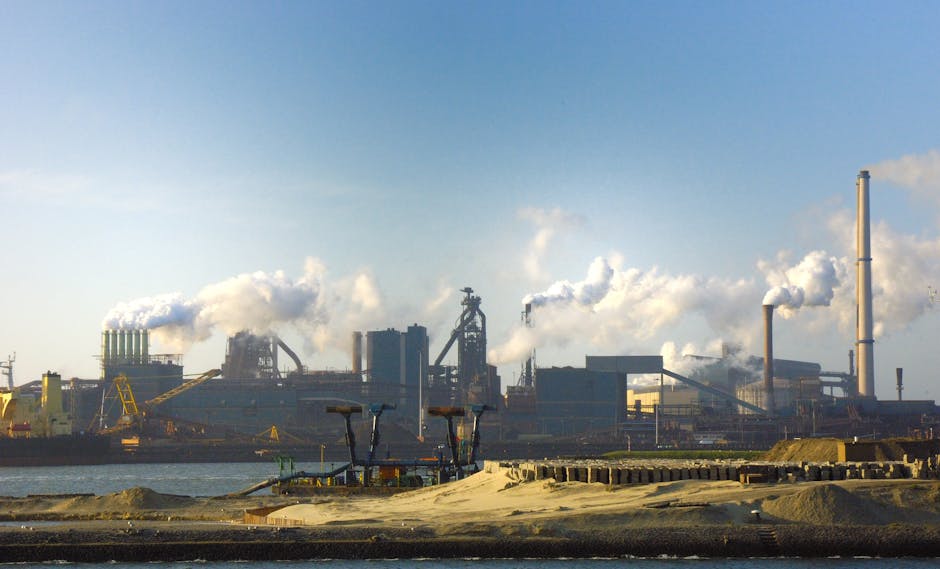
Occupying center stage were coal-powered factories that belched smoke into cityscapes, as urban centers burgeoned to accommodate the swelling working-class populace. The environment and living conditions experienced marked transformations, often to the detriment of public health.
Important Figures and Their Roles
The Industrial Revolution was spearheaded by a cadre of innovative minds and influential leaders. Among them was James Watt, whose improvements to the steam engine in the 1770s provided the power necessary for expansive industrial growth. His partnership with entrepreneur Matthew Boulton in 1775 allowed for practical implementation and commercialization across factories.
Richard Arkwright emerged as a pioneering entrepreneur of the textile industry, credited with developing the water frame in 1769. His innovations, alongside his establishment of water-powered cotton mills, dominate the narrative of mechanized textile production.
George Stephenson, known as the “Father of Railways”, engineered the first intercity railway line using steam locomotives. His designs laid crucial foundational work for railway construction worldwide, drastically transforming public and commercial transport.
Additionally, as a social reformer, Robert Owen emerged as a beacon of change. He highlighted the disparities and harsh conditions faced by industrial workers, advocating for better treatment and living standards in factory towns like New Lanark.
Causes and Consequences
The causes of the Industrial Revolution were multifaceted, ranging from technological advancements and capital accumulation to socio-political conditions and scientific progress. The enclosure movement in England, which consolidated land, is often regarded as a precursor, releasing labor for industrial work while increasing efficiency in agriculture.
The consequences were equally significant, ushering in profound economic and social changes. Industrialization catalyzed urbanization; people flocked to cities in search of jobs, altering existing social orders. The rise of a factory-based economy diminished the dominance of agrarian societies, and with it, traditional crafts were overshadowed by mass production.
Environmental degradation surfaced as an unintended consequence, with increasing pollution and the depletion of natural resources, issues that still reverberate today.
Global Impact and Legacy
The Industrial Revolution’s legacy extends worldwide, underpinning modern industrial practices and economic theories. Its global impact facilitated the rise of capitalism, establishing market-driven economies that prioritized efficiency and innovation.
Countries across continents began adopting similar industrial practices, sparking waves of industrialization and economic transformation worldwide. The idea of work transitioned fundamentally from agrarian dependence to urban industrialization, altering lifestyles and socio-economic structures. Educational resources expanded to accommodate new skills required by industrial job markets.
Moreover, these advancements spurred colonial powers to acquire territories rich in resources, fueling imperial expansions and conflicts over dominions—a historical undercurrent with manifestations in geopolitics even today.
Fascinating Little-Known Facts
Besides its well-documented contributions, the Industrial Revolution brimmed with lesser-known yet fascinating tidbits. For instance, did you know that the journey from London to Manchester took four days before railways and was later reduced to four hours by train? This drastic reduction in travel time highlighted the transformative power of industrial travel innovations.
The revolution led to the establishment of the world’s first public hospital, the Middlesex Hospital in 1749, catering largely to workers affected by industrial pollution and injuries.
Additionally, the Industrial Revolution democratized time-keeping. As factories demanded punctuality and efficiency, personal watches became common tools for workers, and standardized time zones became necessary.
Conclusion: Modern Relevance and Reflection
The reverberations of the Industrial Revolution underscore its ever-present impact on our contemporary world, bearing relevance in today’s technological revolutions such as the digital age. Just as the steam engine propelled ages forward, today’s information technology connects millions, continuing the legacy of transformation.
Modern industrial practices owe much to the era’s breakthroughs. Labor laws, corporate responsibilities, and environmental concerns have roots deeply entwined with this transformative period. Furthermore, issues of economic disparity, innovations in manufacturing, and international trade dynamics remain central axes of global discourse, echoing debates originating during the Industrial Revolution.
This pivotal epoch serves as a reminder of how human ingenuity can propel societies forward while cautioning about the environmental and social costs of unchecked industrial growth. As history progresses, this era remains a cornerstone for reflecting on how to navigate future advancements sustainably and equitably.