
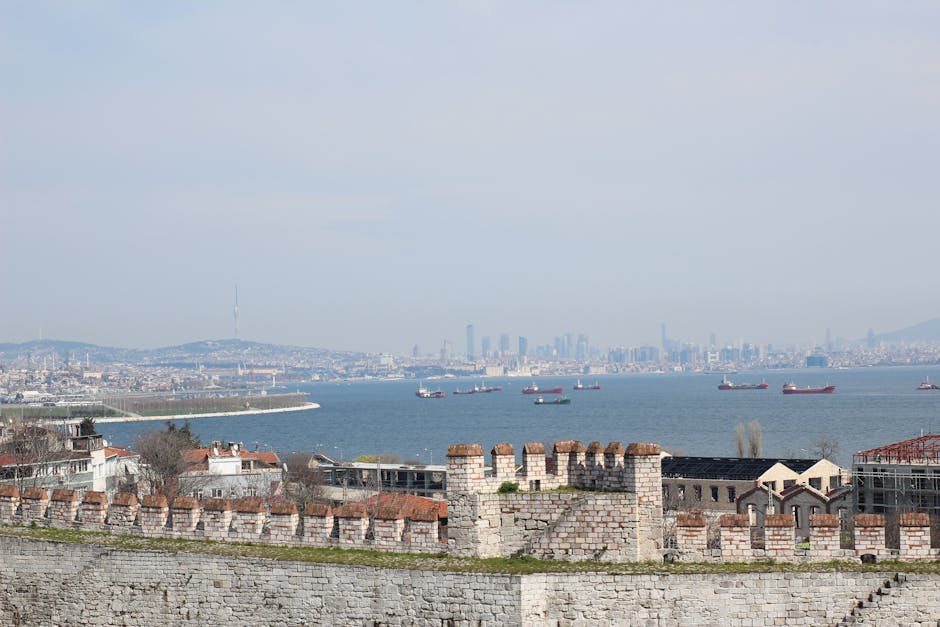
Compelling Introduction
The year was 1453, and the air was thick with tension and anticipation. The once-mighty Byzantine Empire, with its capital in Constantinople, stood on the brink of annihilation. For centuries, this city had been the bastion of Eastern Christianity and a rich center of culture, trade, and politics. Yet, as Ottoman forces amassed at its gates, it became painfully clear that the end was near for this great civilization. The fall of Constantinople is not merely an event in history; it is a turning point that heralded the end of the Middle Ages and the dawn of the Renaissance, reshaping the geopolitical landscape of Europe and the world. But what led to this monumental moment? And how did it influence the course of history that followed? In this article, we will delve deep into the historical background and the series of events that contributed to the fall of this iconic city, explore key figures, and analyze the long-lasting consequences that ripple through time.
Historical Background and Context
To understand the fall of Constantinople, we must first explore the rich tapestry of the Byzantine Empire and its decline. Established in 330 AD by Emperor Constantine the Great, Constantinople was strategically positioned between Europe and Asia, serving as a vital trade hub. Its formidable walls, extensive defenses, and strategic location made it one of the most important cities in the world. However, over the centuries, the Roman Empire’s continuous territorial losses and the rise of various powers gradually chipped away at Byzantine control.
By the late 14th century, the Byzantine Empire had become a shadow of its former self, reduced to little more than the city of Constantinople and a few surrounding territories. The empire’s weakening borders invited various assaults, particularly from the rising Ottoman Empire. Founded by Osman I in the late 13th century, the Ottomans had expanded their dominion quickly in southeastern Europe, Asia Minor, and the Middle East. In 1361, they captured Adrianople (Edirne), and by the early 15th century, they had laid siege several times to Constantinople itself.
The situation further deteriorated after the death of Emperor John VIII Palaiologos in 1448, leaving the empire to his unprepared successor, Constantine XI. As the Ottomans advanced and the Western World turned its gaze elsewhere, largely distracted by the Hundred Years’ War and the rise of national monarchies in England and France, the Byzantine Empire appeared hopelessly outmatched.
Furthermore, internal strife plagued the city, as the population was divided among Orthodox Christians, Latins, and other groups vying for power and influence. Despite efforts to seek help from Western Europe, an unsuccessful union between the Orthodox and Catholic churches had only alienated many potential allies. Thus, as the Ottoman sultans engaged in courtly politics, economic maneuvering, and military conquests, the Byzantine Empire slipped deeper into despair.
Key Events, Battles, and Developments
The climax of this historical drama occurred during the spring of 1453, marking a critical juncture in not just the fate of Constantinople but in global history as well. The Ottomans, under the command of 21-year-old Sultan Mehmed II, began their attack on April 6, 1453. They laid siege to the city, employing sophisticated artillery developed by the Hungarian engineer Orban, including massive cannons capable of breaching the legendary Theodosian Walls of the city.
Mehmed II’s forces, numbering between 80,000 and 200,000 men, surrounded Constantinople, cutting off vital supply routes and communications. In response, the defenders, primarily composed of Byzantine troops numbering around 7,000, led by Emperor Constantine XI Palaiologos, fortified their defenses and prepared for a grueling siege.
On May 22, 1453, after weeks of relentless siege warfare, a relentless assault was orchestrated. The Ottomans launched a multi-pronged attack that targeted key entry points in the walls. One by one, the defenders’ lines were breached, and the city was engulfed in chaos and bloodshed. In the heat of battle, Constantine XI famously donned his armor and led a final charge into the fray, a poignant symbol of resistance against overwhelming odds.
The battle reached its tumultuous conclusion on May 29, 1453, with the fall of the city at about 2:00 a.m. Mehmed II’s forces flooded into the city, marking the end of the Byzantine Empire. This catastrophic event sent shockwaves across Europe, provoking a variety of reactions ranging from despair to intrigue as it dramatically shifted the balance of power in the region.
Important Figures and Their Roles
The fall of Constantinople was shaped by numerous influential figures, each playing a pivotal role in this dramatic chapter. At the heart of the defense was Emperor Constantine XI Palaiologos. A courageous leader known for his unwavering dedication to his city, Constantine made a notable last stand against seemingly insurmountable odds. His final charge during the battle became a symbol of heroism, and his death marked the official end of Byzantine rule.
On the opposite side was Sultan Mehmed II, often referred to as Mehmed the Conqueror. Just 21 years old at the time of the assault, his tactical prowess and ambitious vision for unifying the Islamic world made him a formidable opponent. Following the victory, he solidified his influence by converting the Hagia Sophia from a Christian cathedral into a mosque, thereby establishing an enduring legacy as a dominant figure in both Ottoman and world history.
Another significant figure was Orban, the Hungarian engineer whose innovations in artillery technology provided the Ottomans with a decisive advantage. His massive cannons were critical in breaking through the iconic walls of Constantinople, leading to the city’s downfall.
Furthermore, a variety of lesser-known but essential figures, including the Venetian and Genoese mercenaries who defended the city, played a significant role in the Siege, demonstrating the magnitude of international interest in this pivotal moment.
Causes and Consequences
The crucial causes behind the fall of Constantinople can be distilled into three facets: military, political, and social unrest. Militarily, the Byzantine Empire’s dwindling resources and the inability to maintain a formidable army against the Ottoman onslaught made effective resistance impossible. Politically, the lack of united support from the West, fueled by religious schisms and competing diplomatic priorities, left the Byzantines isolated. Finally, the social divisions among the city’s diverse populations hampered cohesion in the face of external threats, with varying loyalties undermining a unified defense.
The consequences of the fall were staggering, reshaping the course of history across continents. In the immediate aftermath, the Ottomans expanded their territory further into Europe, solidifying their control over the Balkans and threatening central European nations. The fall marked the definitive end of Christian Byzantium and the rise of Islamic power in Southeastern Europe.
In the cultural realm, scholars fleeing Constantinople carried with them ancient texts and knowledge, inadvertently igniting the flames of the Renaissance in Western Europe. This migration of ideas marked a return to classical learning, profoundly influencing art, literature, and science, with lasting effects that continue to resonate today.
Global Impact and Legacy
The fall of Constantinople resonated globally, rippling through the veins of empires and nations far beyond the confines of the city walls. It effectively inaugurated the Ottoman Empire as a dominant military power in Europe, with its impact felt from the Balkans to Asia Minor and the Middle East.
The devastating loss of Constantinople transformed existing trade routes, forcing European powers to seek alternate paths to Asia. The search for new trade routes ultimately led to the Age of Exploration, culminating in momentous voyages by figures such as Christopher Columbus in 1492. The competitive race for access to resources and trade drove European nations to explore uncharted territories, forever altering the world’s economic and cultural landscapes.
Additionally, Ottoman advancements in art, architecture, and philosophy enriched both Eastern and Western cultures, creating lasting legacies that persist through the ages. The Hagia Sophia, once a center of Christian worship, stands testament to the interwoven histories of East and West, symbolizing a shared heritage marred by conflict yet rich in beauty.
Fascinating Little-Known Facts
While many are aware of the monumental battles and figures involved in the fall of Constantinople, several lesser-known aspects add to the richness of this historical saga:
- Panic in the City: Contrary to popular belief, many residents of Constantinople initially thought the Ottomans were mere raiders rather than a legitimate army. This misconception contributed to the initial lack of preparedness.
- End of an Era: The fall of Constantinople is often regarded as the end of the Middle Ages and the beginning of the Renaissance, primarily because of the cultural exchanges that took place following the event.
- The Secret Tunnel: A network of tunnels beneath Constantinople was said to be used to smuggle food and supplies during the siege, showcasing the resourcefulness of defenders.
- The Last Emperor: The dramatic fate of Constantine XI, who reportedly died fighting at the city’s gates, crushed hopes of Byzantium’s restoration.
- Repercussions on Trade: The Ottomans imposed heavy tariffs on trade routes, leading to increased innovation and competition among European nations seeking new paths to the East.
Strong Conclusion with Modern Relevance
The fall of Constantinople stands as a monument to the fluidity of history. It serves as a reminder of the precariousness of power, the complexities of cultural exchanges, and the interconnectedness of regions across the globe. The transition from Byzantine to Ottoman sovereignty initiated a profound transformation in world power dynamics that shaped geopolitics for centuries.
In contemporary settings, the legacy of Constantinople remains relevant in the ongoing dialogues surrounding East-West relations, religious tolerances, and cultural identities. Lessons from the fall resonate today as nations grapple with the realities of conflict, migration, and the consequences of cultural convergence. As we study the historical significance of 1453, we must reflect on the delicate balance between preserving heritage and fostering dialogue in our increasingly interconnected world.