
Introduction
Throughout history, empires have risen and fallen, their legacies shaping the geopolitical landscapes of their eras. One of the most captivating tales of decline is that of the Byzantine Empire, a once-mighty civilization that stood as a bastion of culture, religion, and imperial power for over a millennium. At its zenith, the Byzantine Empire was a formidable force, known for its vibrant art, sophisticated governance, and strategic military prowess. However, its eventual demise in 1453 marks a pivotal moment in history that resonates even today. What led to the transformation of this empire from a beacon of civilization into a crumbling relic, ultimately succumbing to external forces?
In this article, we will explore the labyrinthine history of the Byzantine Empire, examining key events, influential figures, and the intricate web of causes that culminated in its fall. More than a mere chronicle of dates and battles, this narrative serves as a profound reflection on the enduring impact of historical legacies. Discover how the decline of the Byzantine Empire continues to echo in contemporary discussions about power, culture, and resilience.
Historical Background and Context
The Birth of the Byzantine Empire
The Byzantine Empire, often considered the continuation of the Roman Empire, emerged in the 4th century AD. Its origins can be traced to the division of the Roman Empire in 395 AD, following the death of Emperor Theodosius I. This division creating the Western and Eastern Roman Empires, initiated a chain of events that would have long-lasting effects on the future of Europe and Asia. Unlike its western counterpart, which fell to barbarian invasions in 476 AD, the Eastern Empire, centered in Constantinople—modern-day Istanbul—underwent a remarkable transformation.
Constantinople, established on May 11, 330 AD, by Emperor Constantine the Great, was not just a political capital; it became a cultural and economic hub connecting Europe and Asia. With its strategic location bridging the Bosporus Strait, the city flourished as a center of trade, art, and Christianity. The Byzantine Empire became synonymous with Orthodox Christianity, developing a distinct theological and cultural identity.
Evolution Through the Centuries
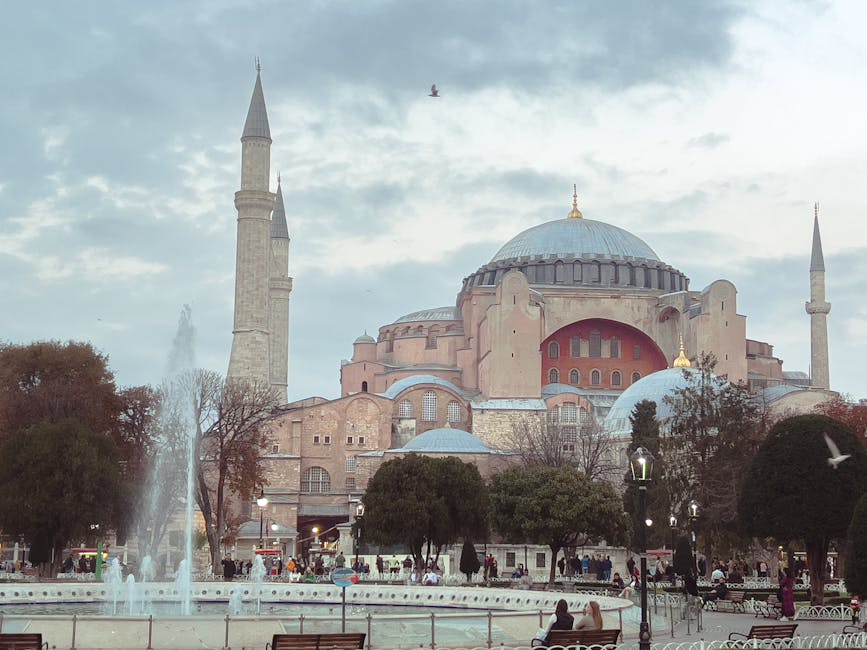
Over the centuries, Byzantine society evolved remarkably, juxtaposing ancient Greco-Roman traditions with a growing Christian ethos. The reign of Justinian I (527-565 AD) marked a golden age for the empire, renowned for his ambitious architectural projects, including the Hagia Sophia, and for codifying Roman laws in the Corpus Juris Civilis. This period saw the Empire reach its territorial peak, covering parts of North Africa, Italy, and the Balkans. However, even during its heights, the Byzantine Empire grappled with internal strife and external threats.
Challenges Faced by the Empire
From the 7th century onward, the Byzantine Empire faced increasingly formidable challenges. The rise of Islam in the 7th century altered the geopolitical landscape dramatically; the rapid expansion of Arab Caliphates led to significant territorial losses, including Syria and Egypt. By the 8th century, the empire was embroiled in conflicts on multiple fronts—fighting both against invading forces and managing internal dissent.
Throughout the Middle Ages, the Byzantine Empire’s influence fluctuated, but it never fully relinquished its status as a center of cultural and economic might. The fall of Constantinople was not just the end of an empire; it symbolized a major transition in world history, leading to the Renaissance and the emergence of modern European states. Understanding this context lays the foundation for examining the events and figures that precipitated the empire’s collapse.
Key Events, Battles, or Developments
The Crisis of the 11th Century
The Byzantine Empire began to experience significant crises during the 11th century. One of the pivotal events leading to its decline was the Battle of Manzikert on August 26, 1071. This confrontation pitted the Byzantines against the Seljuk Turks, a rising power in the region. Under Emperor Romanos IV Diogenes, the Byzantine army was decisively defeated, resulting in the loss of eastern Anatolia. This caused a catastrophic shift in demographic balance and opened the door for further Turkic invasions.
The Fourth Crusade
The Fourth Crusade (1202-1204) marked a significant turning point in the empire’s trajectory. Initially intended to recapture Jerusalem, the crusaders diverted their efforts to Constantinople, driven by internal political intrigues and the promise of wealth. In April 1204, the city fell to the crusaders, leading to the establishment of the Latin Empire. This event not only caused widespread devastation but also splintered the Byzantine Empire, leading to a prolonged period of instability and fragmentation.
Restoration and Decline
In 1261, Michael VIII Palaiologos successfully recaptured Constantinople, restoring the Byzantine Empire. However, this restoration only provided a temporary respite. The empire was now a shadow of its former self, economically weakened and isolated. Ongoing threats from the Ottomans began to loom larger. By the 14th century, the Ottoman Empire began expanding its influence in the Balkans and Asia Minor.
The Fall of Constantinople
Ultimately, the fall of Constantinople on May 29, 1453, constitutes the climax of the Byzantine narrative. Sultan Mehmed II, known as the Conqueror, led a meticulously planned siege against the city, which had been under siege for nearly two months. The Byzantines, led by Emperor Constantine XI, fought valiantly but could not withstand the Ottomans’ superior artillery and military tactics. The city fell after the Ottomans breached the formidable walls of Constantinople, marking the end of the Byzantine Empire and the onset of Ottoman dominance in southeastern Europe.
Important Figures and Their Roles
Justinian I
Emperor Justinian I, who ruled from 527 to 565 AD, is often credited with shaping the Byzantine Empire’s legal, political, and cultural legacy. His ambitious campaigns sought to reclaim the lost territories of the Western Roman Empire, resulting in temporary successes in Italy and North Africa. Justinian’s codification of Roman law in the Corpus Juris Civilis remains a cornerstone of legal tradition in many countries.
Empress Theodora
Theodora, the wife of Justinian, played a significant role in governance. Rising from humble beginnings as an actress, she became one of the most powerful women in Byzantine history. Theodora exerted substantial influence over Justinian’s policies, especially regarding women’s rights and religious issues. Her strength and determination helped stabilize the empire during tumultuous times, particularly during the Nika Riots in 532 AD, when she urged her husband to quell the riots rather than abandon the city.
Constantine XI Palaiologos
Constantine XI, the last Byzantine emperor, ascended to the throne in 1449. His reign was marked by the tragic final acts of the empire, and he became a symbol of heroic resistance during the fall of Constantinople. Instead of fleeing, he chose to stay and defend his city, rallying his subjects in the face of insurmountable odds. His death during the siege further solidified his legacy as a martyr for the Byzantine cause.
Mehmed II
Mehmed II, the Ottoman Sultan who conquered Constantinople, transformed the political landscape of Europe and Asia. His innovative military strategies, including the use of massive cannons, changed warfare forever. He established a new order following his conquest, solidifying Ottoman hegemony and opening the pathway for subsequent territorial expansion into Europe.
Causes and Consequences
Root Causes of Decline
The fall of the Byzantine Empire can be traced to a myriad of causes that intertwined to erode its foundations. The protracted military threats from the Seljuk Turks, Crusaders, and ultimately the Ottomans destabilized the empire. Internally, political infighting, economic decline, and social unrest exacerbated these problems, undermining the central authority.
Direct Consequences
The fall of Constantinople had immediate and profound consequences. It marked the definitive end of Christian Byzantine rule in the eastern Mediterranean and initiated a significant period of Ottoman expansion into Europe. The conquest prompted a mass exodus of scholars and intellectuals who fled to Western Europe, carrying with them invaluable ancient texts and knowledge, which catalyzed the Renaissance. The fall also triggered a shift in trade routes, as powers sought new paths leading to Asia, ultimately leading to the Age of Discovery.
Global Impact and Legacy
Cultural Heritage
The legacy of the Byzantine Empire extends beyond its downfall. Its cultural and religious contributions shaped the foundations of Eastern Orthodox Christianity and influenced art, architecture, and law throughout Europe and Asia. The blend of classical antiquity and Christian themes inspired a distinctive artistic tradition that remains significant.
Political Lessons
The story of the Byzantine Empire serves as a cautionary tale about the importance of unity, adaptability, and resilience in the face of adversity. As modern nations grapple with challenges, from internal discord to external threats, the lessons gleaned from Byzantine history remain profoundly relevant. The empire’s fragmentation illustrates the risks of political division and the price of complacency against rising threats.
Fascinating Little-Known Facts
The Byzantine Empire’s Unique Cuisine
Despite its military and political narratives dominating history, the Byzantine Empire also made notable contributions to culinary traditions that influenced Mediterranean cuisine. It is credited with introducing ingredients like saffron and spices from Asia, along with a plethora of pastry recipes that spread across Europe.
Women in Power
Women in the Byzantine Empire often held more rights and influence compared to their counterparts in medieval Europe. Empresses like Theodora were instrumental in politics, shaping key decisions, and advocating for legislation that improved women’s rights, including protections against domestic violence.
Conclusion
Modern Relevance of Byzantine History
The Byzantine Empire’s allure is not solely its grandeur or eventual fall but its enduring relevance in modern society. As nations navigate the complexities of governance, cultural identity, and international relations, the lessons of the Byzantine experience echo through the ages. The empire’s tale reminds us that cultural flourishing can coexist with political strife, and the legacy of influential figures can inspire resilience in challenging times. Additionally, as we confront the evolving landscape of geopolitics today, understanding the dynamics that precipitated the rise and fall of such a rich civilization can provide invaluable insights, helping us to avoid the mistakes of the past while aiming towards a more unified future.