
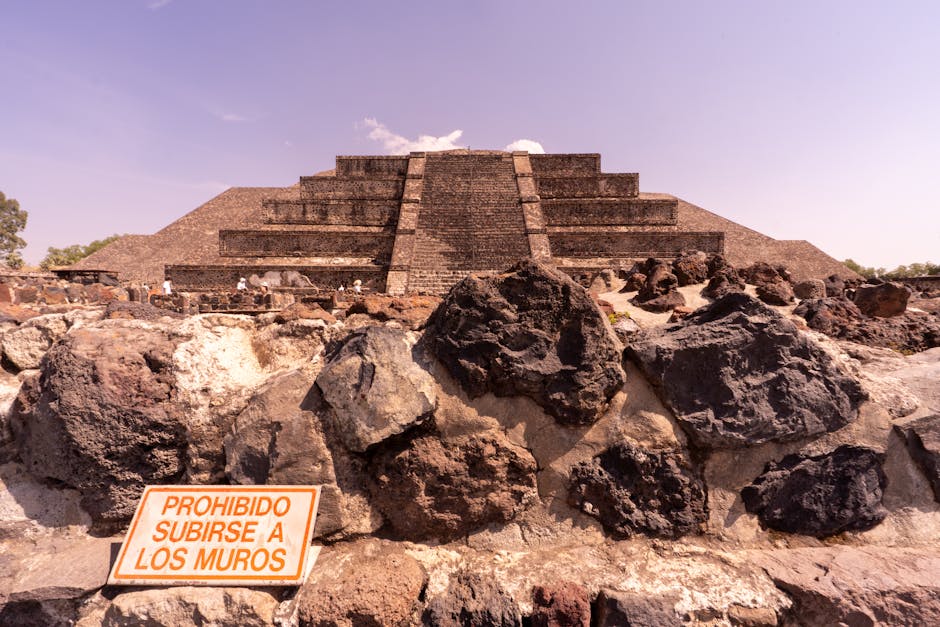
Compelling Introduction
In the early 16th century, the pristine shores of Lake Texcoco cradled one of the most advanced civilizations of the Americas: the Aztec Empire. This vibrant society, with its sophisticated agricultural systems, monumental architecture, and rich artistic traditions, dazzled European explorers as they arrived on the new continent. The principal city, Tenochtitlan—a sprawling metropolis built on a series of islands—was a marvel of engineering and cultural achievement. Yet, within just a few years, this brilliant civilization would crumble under the weight of conquest and disease. How did one of the most formidable empires of its time dissolve so rapidly? The fall of Tenochtitlan remains a gripping story of intrigue, valor, and tragedy, marred by the clash of worlds and the strengths and weaknesses of human ambition.
As we delve deep into the annals of history, we will unpack the circumstances that led to the destruction of Tenochtitlan, examine the pivotal events that shaped the conquest, and celebrate the key figures who played essential roles in this dramatic chapter. From the valiant resistance of indigenous warriors to the strategic maneuvering of Spanish conquistadors, the story is embroidered with fascinating twists and turns. Ultimately, we will reflect on the global impact of this historic event, examining how it set the stage for the European domination of the Americas and the lasting consequences for indigenous populations. Whether you are a devotee of history or a curious newcomer, the tale of Tenochtitlan offers a lens into resilience amid insurmountable odds and the profound legacy of colonial encounters that continue to resonate in modern times.
Historical Background and Context
The Aztec Empire, or Mexica, was a Mesoamerican civilization that thrived in what is now central Mexico from the 14th to the early 16th century. Its roots trace back to the legendary founding of Tenochtitlan in 1325, guided by prophetic visions of an eagle perched upon a cactus devouring a serpent. This vibrant city soon developed into a political, cultural, and religious epicenter, with a population reaching over 200,000 at its zenith, making it one of the largest cities in the world at the time.
The Aztecs were remarkable administrators and warriors. They developed a formidable tribute system, extending their influence across vast territories, exploiting the resources of their conquered states to build their empire. Yet, beneath this surface of power, the Aztecs were also marked by internal strife and rivalry among the various city-states, hinting at vulnerabilities that would later be exploited by European invaders.
By the early 1500s, the Spanish expedition led by Hernán Cortés had set sail from Cuba in search of wealth and glory. Unknown to Cortés, America was not just rich in gold but also fraught with political turmoil. Many indigenous groups resented Aztec rule and would later prove pivotal in aligning with the Spanish during the conquest. This backdrop of discontent, combined with the devastating effects of European diseases like smallpox, laid the groundwork for Cortés’s momentous expedition.
The Spanish arrival in the New World brought about a collision of cultures unlike anything witnessed before. The Aztecs, proud and sophisticated in their ways, found their beliefs, institutions, and very lives threatened by the European encroachment. Observing this volatile mix of ambition, rivalry, and faith can provide vital clues to understanding the downfall of Tenochtitlan.
Key Events, Battles, or Developments
The conquest of Tenochtitlan unfolded through a series of significant events, each marked by bravery, treachery, and unforeseen consequences. Understanding these milestones reveals how a weakened Aztec Empire succumbed to the might of a handful of Spanish conquistadors.
1. The Arrival of Hernán Cortés (1519)
In 1519, Hernán Cortés arrived on the shores of Mexico with a contingent of around 600 men, supported by 16 horses and a few cannons. This initial landing marked the beginning of an ambitious quest to claim the wealth of the Aztecs. Cortés’s strategic mind and charismatic leadership allowed him to navigate both the treacherous landscapes of the New World and the intricacies of local politics.
2. The March to Tenochtitlan (1519-1520)
Cortés forged alliances with various indigenous tribes, most notably the Tlaxcalans, who were rivals of the Aztecs. This support proved invaluable as he advanced toward Tenochtitlan. The Tlaxcalans joined forces with Cortés’s troops and provided significant manpower in battles against the Aztecs.
3. The Siege of Tenochtitlan (1521)
The most pivotal moment came with the siege of Tenochtitlan, which began in May 1521. Cortés and his allies faced a determined counterpart in Cuauhtémoc, the last Aztec emperor. The siege lasted for nearly three months, during which both sides suffered tremendous losses. Infighting within the city and the simultaneous outbreak of smallpox drastically diminished the Aztec’s ability to resist.
By August 13, 1521, after a long and brutal siege, Tenochtitlan fell to the Spanish forces. This marked not only the end of the Aztec Empire but also the beginning of a new era of colonial rule over the Americas.
Important Figures and Their Roles
The conquest of Tenochtitlan was not a singular effort; it involved key figures whose decisions altered the course of history. Understanding their roles paints a vivid picture of the human element behind these momentous events.
1. Hernán Cortés
The main architect of the Spanish conquest, Hernán Cortés exhibited unmatched ambition and tactical genius. He took extraordinary risks, often defying direct orders from his superiors in Cuba to pursue his goal of conquering the Aztec Empire.
2. Moctezuma II
As the emperor of the Aztec Empire, Moctezuma II’s reign is marked by his lifestyle of opulence and a certain degree of disconnect from the realities of his empire’s expansion. His initial interaction with Cortés is often viewed as naive, as he believed Cortés might be a returning deity.
3. Cuauhtémoc
Cuauhtémoc, the last emperor of the Aztecs, displayed formidable courage against the Spanish invaders. The fiery resistance he led during the siege of Tenochtitlan remains a symbol of indigenous valor and tragedy.
4. La Malinche
Known as Doña Marina, La Malinche played an instrumental role as a translator and advisor to Cortés. Her ability to bridge cultural gaps proved crucial in navigating the complex relationships among various indigenous groups.
Causes and Consequences
The causes of the fall of Tenochtitlan are multifaceted, intertwining factors that ranged from internal divisions within the Aztec Empire to the unprecedented impact of European diseases.
The initial cause can be traced back to the moment the Spanish arrived on the coast. The political fragmentation among the various indigenous groups and their long-standing grievances against Aztec rule provided fertile ground for alliances with the newcomers. When diseases like smallpox spread through the population, they decimated the Aztec fighting force, undermining their ability to resist.
In the end, the consequences were staggering. Tenochtitlan’s fall was not simply the collapse of a city or an empire—it heralded the onset of Spanish colonial dominance in Central America. It became a catalyst for widespread destruction and cultural erasure, with the establishment of the Spanish Empire paving the way for centuries of colonial exploitation that reshaped the continent and its peoples.
Global Impact and Legacy
The historical significance of the fall of Tenochtitlan goes beyond the confines of Mexico’s borders. It marked a key moment in global history, setting a precedent for European colonization. The influx of riches from the Americas transformed the European economy, contributing to what is often termed the ‘Commercial Revolution,’ leading to Europe’s rise as the center of global trade.
The fall of Tenochtitlan serves as a somber reminder of the fragility of civilizations and the tides of history. It offers valuable insights into power dynamics, colonial encounters, and the lasting scars left on indigenous peoples, shaping contemporary discussions on colonialism and its legacies.
Fascinating Little-Known Facts
While much has been documented about the events surrounding the fall of Tenochtitlan, many intriguing details are often overlooked. For instance, did you know that Hernán Cortés initially sought to convince Moctezuma II through diplomacy rather than force? This strategy was rooted in his knowledge of the reverence Aztecs held for divinity, which he tried to exploit. Likewise, the role of environmental factors, such as the geography of Lake Texcoco, played a significant part in the military tactics employed during the siege. The bridges and causeways leading to Tenochtitlan were critical chokepoints that shaped the battle dynamics.
Strong Conclusion with Modern Relevance
The fall of Tenochtitlan holds modern relevance as it keeps alive the discussions on imperialism, cultural erasure, and the impacts of colonial legacies that resonate across the globe today. The narrative asks us to confront uncomfortable truths about history, privilege, and the often-unacknowledged brutality of conquest. As nations confront their past, the lessons learned from the fragility of Tenochtitlan remind us that history is not just about dates and events but is also a tapestry woven from the stories of people and cultures, always urging us to acknowledge what was lost and to celebrate the resilience of those who survived.