
Introduction
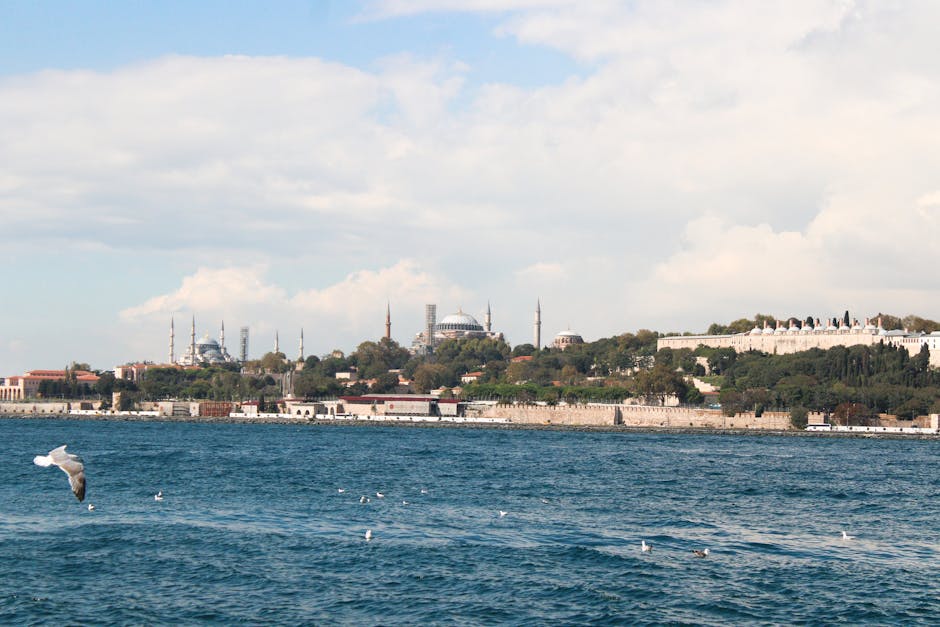
The year was 1453. A momentous event loomed on the horizon, one that would change the course of history, alter the religious landscape, and redefine the geopolitics of an entire region. For centuries, Constantinople had stood as the gateway between East and West, a bastion of Christian Orthodoxy and the heart of the Byzantine Empire. Yet on May 29, 1453, the echoes of Byzantine bells were drowned by the thunderous roars of Ottoman cannons. The city, once a vibrant cradle of civilization, fell to the forces of Sultan Mehmed II. The Fall of Constantinople symbolizes not just the end of an era but the dawn of new powers. Its significance resonates even today amidst ongoing discussions about cultural heritage, religious coexistence, and historical memory.
This monumental clash was not merely a battle for territory; it was a profound struggle for ideology, and the ultimate prize was a city that had been at the crossroads of civilizations for over a thousand years. The Ottomans, under the brilliant military strategy of Mehmed II, tore down the walls that had protected Constantinople for centuries. With their triumph, they not only solidified their dominance in Southeastern Europe and Asia Minor, but they also reignited the flames of Islam, a force that would shape the continent for years to come.
The Fall of Constantinople set into motion a domino effect of cultural and political changes that echoed through time. From the forced migration of scholars and artisans to the West, contributing to the Renaissance, to the profound shift in trade routes, this singular moment shifted the center of influence from the Mediterranean to the Ottoman Empire. This article ventures deeper into the historical background, key events, important figures, causes, consequences, and the lasting global impact of one of history’s most compelling turning points.
Historical Background and Context
The city of Constantinople was founded by the Roman Emperor Constantine the Great in 330 AD, and it became the capital of the Eastern Roman Empire, also known as the Byzantine Empire. Positioned strategically along the Silk Road and the Mediterranean, it was ideally situated for trade and cultural exchange. Over the centuries, it became a center of Christianity, especially after the Edict of Milan in 313 AD, which granted religious tolerance to Christians within the Roman Empire.
During the Middle Ages, Constantinople was fortified with massive defensive walls, which included the famous Theodosian Walls. This impressive structure, completed in the 5th century, stood as a formidable barrier against any invaders. However, the Byzantine Empire was gradually losing its power due to internal strife, economic difficulties, and military defeats. By the 14th century, the empire was a shadow of its former self, reduced to dwindling territories while surrounded by increasingly aggressive neighbors, particularly the rising Ottoman Turks.
The Ottomans, originally one of many Turkic tribes, were unified under Osman I in the late 13th century. By the time of the Siege of Constantinople, the empire had expanded rapidly, encompassing a vast territory that included modern-day Turkey, parts of the Balkans, and even Northern Africa. Their military prowess was bolstered by the use of gunpowder weapons, which marked a significant evolution in warfare. The decisive battle against the Byzantine Empire was a culmination of various earlier confrontations, including defeats suffered by the Byzantines against the Ottomans at the Battle of Nicopolis in 1396 and at the Battle of Varna in 1444.
The atmosphere leading up to the siege was fraught with urgency. The Ottoman Empire was not merely an enemy at the gates but a well-coordinated force with ambitions to expand further into Europe and consolidate its power over the Christian populations of the Balkans. Meanwhile, the Byzantine Empire tried to garner support from Western Europe, but responses were tepid and fraught with political gamesmanship. With the Papacy distracted by other conflicts, and the Catholic states unwilling to sacrifice their resources for the fading Eastern Empire, the stage was set for a confrontation that would reverberate through the ages.
Key Events, Battles, or Developments
The Siege of Constantinople began on April 6, 1453. Sultan Mehmed II, also known as Mehmed the Conqueror, had gathered an army of approximately 80,000 men, consisting of elite Janissaries, other infantry, and a large contingent of artillery specialists. In stark contrast, the Byzantine forces, led by Emperor Constantine XI, numbered around 7,000 defenders, including several foreign mercenaries.
The Ottomans employed a revolutionary tactic: the use of large cannons, among which the most famous was the Great Bombard, crafted by a Hungarian engineer named Urban. This massive cannon could hurl stones weighing over 1,200 pounds and proved instrumental in breaching the formidable Theodosian Walls.
As the siege progressed, Turkish forces constructed a massive wall of artillery outside the city, thereby establishing a precarious blockade that cut off any supply routes. By mid-April, the situation within Constantinople was dire. Food and supplies were running low, and morale was crumbling among its inhabitants.
Despite this, Emperor Constantine XI made several desperate attempts to elicit military support from Western Europe, and for a brief moment, hope flickered when a fleet commanded by Giovanni Giustiniani arrived. However, internal political issues caused delayed reinforcements and logistical nightmares.
On May 22, 1453, the Ottomans launched their final assault. Mehmed’s forces charged forward, and the walls of Constantinople, weakened after weeks of bombardment, could no longer withstand the onslaught. The defenders fought valiantly but were ultimately overwhelmed. By mid-morning on May 29, the city’s outer defenses were breached, leading to chaos and horror as sects of both soldiers and civilians faced the full brunt of the Ottoman advance.
At noon on that decisive day, Sultan Mehmed II entered the city, and the sun seemed to shine on his victory. The iconic Hagia Sophia was converted from a church to a mosque, symbolizing not only a physical but also a spiritual conquest. The fall of Constantinople marked a historical turning point: the Byzantine Empire was extinguished forever, and the Ottoman Empire emerged as a dominant power with unprecedented territorial ambitions.
Important Figures and Their Roles
Several key figures played pivotal roles in the events leading up to and following the Fall of Constantinople.
Emperor Constantine XI
As the last Byzantine Emperor, Constantine XI was a figure of great resilience. He knew the gravity of his position—both a leader and a symbol of an imperiled civilization. Determined to defend his city, he directed the final desperate attempts to withstand the Ottoman onslaught. According to contemporary accounts, he fought bravely in the heat of battle and ultimately perished in the chaos that engulfed Constantinople.
Sultan Mehmed II
Mehmed II was a visionary leader who masterminded the siege. His ambition was matched only by his military strategy. Understanding the need for heavy artillery, he commissioned the creation of the Great Bombard and successfully employed innovations in siege tactics that had not been seen before. With his victory, he established himself as one of the most powerful rulers of his time and began to shape the future of both the Ottoman Empire and Europe.
Giovanni Giustiniani
Giovanni Giustiniani was a skilled Venetian military leader who played a crucial role among the defenders of Constantinople. He commanded a contingent of mercenaries and was pivotal during the siege, particularly in organizing the defense efforts. Despite brave efforts, he was gravely wounded during the Ottoman assault and ultimately had to leave the battlefield, which demoralized the defenders further.
Urban the Hungarian
Urban, a talented engineer, was the mastermind behind the Ottoman cannon that would change the course of battle. His expertise in gunpowder artillery was instrumental in enabling Mehmed II’s forces to breach the city’s historic walls. Urban’s betrayal and subsequent support for the Ottomans was a reflection of the shifting allegiances that characterized the era.
Causes and Consequences
The causes of the Fall of Constantinople were multifactorial, stemming from both long-standing historical trends and immediate tactical decisions. The Byzantine Empire was in decline, weakened by centuries of territorial losses and internal turmoil. Its dependence on foreign aid was a desperate bid to secure survival but reflected a profound vulnerability that the Ottomans were eager to exploit.
The immediate military advantage held by Mehmed II, with advanced artillery and superior numbers, was a critical factor that sealed the fate of the city. Mehmed’s strategies, including the use of deception and psychological warfare, played a substantial role in undermining the morale of the defenders.
Once the Ottomans secured victory, the consequences were immediate and far-reaching. The aftermath saw the Ottoman Empire solidifying its control over Southeast Europe and expanding into Eastern Europe, paving the way for future conquests that would reshape the region. The once-mighty Byzantine Empire was effectively eliminated, its cultural heritage absorbed—or overshadowed—by victorious Ottoman imperial practices.
The Fall of Constantinople also had significant repercussions for global trade routes and cultural exchanges. With the Ottomans in control, they redirected trade away from traditional Mediterranean routes, leading to economic shifts that impacted Europe profoundly. This encouraged European powers to pursue alternative routes to Asia, ultimately laying the groundwork for the Age of Exploration.
Global Impact and Legacy
The global impact of the Fall of Constantinople cannot be overstated. It ushered in a new era marked by the Ottoman dominance in Europe, influencing politics, trade, and culture long after the siege. The event marked a significant transition whereby Eastern and Western civilizations began to solidify their identities in contrast to one another.
In Europe, the fall of the Byzantine Empire caused a shift in scholarly and artistic focus. The migration of Greek scholars to the West carried with it ancient texts and knowledge, which significantly contributed to the Renaissance. Furthermore, the conquest influenced the Protestant Reformation by prompting intellectual debates about the nature of religious authority and practices.
In addition to cultural impacts, the Ottoman Empire would remain a formidable political entity until the early 20th century, shaping events through two World Wars and beyond. The Fall of Constantinople is often marked as a symbolic end of the Middle Ages and a pivotal juncture in the transition to the modern world.
Fascinating Little-Known Facts
1. The large cannons employed by Mehmed II were groundbreaking and featured the largest cannonballs in history at that time, constructed from iron. The firing of these massive projectiles was so thunderous that they could be heard several miles away.
2. The effects of the siege were felt long after the battle, driving many Christians in the region to migrate northwards or seek refuge in Western Europe. This migration significantly broadened the influence of the Renaissance.
3. The Siege of Constantinople featured a unique naval blockade, where the Ottoman forces utilized massive ships to disrupt supply routes and block any potential aid coming from the sea.
4. The fall and subsequent rule led to a multi-religious state where Christians were granted certain freedoms, which notably set a precedent for religious coexistence within the Ottoman Empire.
5. There was an unconfirmed legend that when Mehmed II entered Constantinople, he placed a copy of the Quran in a hollow wall of the Hagia Sophia as a symbol of peace and coexistence.
Conclusion with Modern Relevance
The Fall of Constantinople, a turning point that continues to shape the modern world, reminds us of the fragile nature of civilizations and the complex interplay of culture, religion, and power. As we navigate the multifaceted dynamics of the 21st century, the lessons from 1453 teach us that the struggle for identity, territorial integrity, and ideological dominance remains ever-present.
The echoes of the past resound within contemporary geopolitics, religious conflicts, and cultural disagreements that span national borders and societal divisions. Understanding the events that transpired during the Fall of Constantinople — the intelligence gathered, decisions made, and impacts felt — can better inform our responses to current global challenges. Whether recognizing the importance of dialogue amid religious tensions or reflecting on historical narratives that shape perceptions, the legacy of Constantinople is a valuable lesson for humanity.