
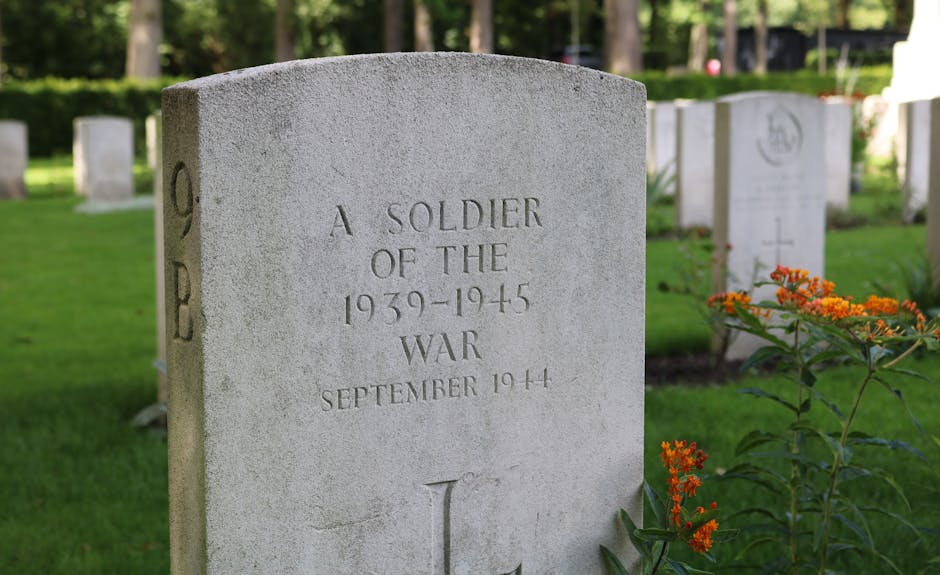
The Unseen Threads of World War II: Hidden Stories and Legacies
Compelling Introduction with Hook
World War II, a cataclysmic event that reshaped the global order, left indelible marks on history’s canvas. Yet, beneath the broad strokes of famous battles like Stalingrad or the Normandy Invasion, lie the nuanced stories rarely told. These unseen threads weave a richer tapestry of the war’s impact, revealing tales of espionage, unsung heroes, and catalytic technologies that altered the course of human civilization. This exploration delves into the lesser-known arenas of World War II, unearthing stories that demand attention and appreciation for their profound impact.
Historical Background and Context
The origins of World War II can be traced back to the punitive aftermath of World War I. The Treaty of Versailles in 1919 disenfranchised Germany with territorial losses and crippling reparations, sowing seeds of resentment. The global economic depression of the 1930s further fueled political extremism across Europe. Adolf Hitler’s rise to power in 1933 marked a pivotal moment, promising to restore Germany’s former glory and territorial dominance. Despite the warning signs, the world was caught off-guard when, on September 1, 1939, German forces invaded Poland, prompting Britain and France to declare war.
This conflict quickly escalated into a global confrontation involving Axis powers—Germany, Italy, and Japan—against the Allied forces comprising the United Kingdom, Soviet Union, United States, China, and others. By 1941, with the attack on Pearl Harbor, World War II expanded into a worldwide struggle with theaters in Europe, Africa, the Pacific, and Asia, becoming the deadliest and most widespread war in history, resulting in an estimated 70-85 million fatalities.
Key Events, Battles, or Developments with Specific Dates and Details
1939-1941: The Early Blitzkrieg and Fall of France
The strategy of Blitzkrieg, or “lightning war,” was innovatively executed by Nazi Germany in the early years of the war. The rapid, unrelenting attacks overwhelmed opposing troops and infrastructure, leading to early successes. In April 1940, Germany invaded Denmark and Norway, swiftly followed by the invasion of Belgium, the Netherlands, and Luxembourg in May. France capitulated by June 1940 after intense battles, such as the Dunkirk evacuation, marking a significant victory for Hitler.
1941: Operation Barbarossa
June 22, 1941, marked the launch of Operation Barbarossa, the largest military invasion in history where over 3 million Axis troops invaded the Soviet Union. Initially successful, the campaign stalled in the harsh Russian winter, signaling a turning point.
1942: Battle of Midway
The Battle of Midway from June 4 to June 7, 1942, represented a pivotal naval engagement in the Pacific Theater. The United States Navy’s decisive victory over the Imperial Japanese Navy halted Japanese expansion and marked a strategic turning point.
1944: D-Day and the Normandy Invasion
On June 6, 1944, known as D-Day, Allied forces launched a massive invasion on the beaches of Normandy, France. This operation was a significant factor in liberating Western Europe from Nazi occupation.
Important Figures and Their Roles
Winston Churchill
As Prime Minister of the United Kingdom during most of World War II, Winston Churchill’s leadership, oratory skills, and strategic foresight galvanized Allied unity and resolve against the Axis powers.
Franklin D. Roosevelt
Serving as the 32nd President of the United States, Roosevelt was instrumental in leading America from isolationism to active participation, focusing on the “Arsenal of Democracy” to supply Allies with vital resources.
Joseph Stalin
As the Soviet Union’s Premier, Stalin’s role was crucial in the Eastern Front victory against Germany, providing essential pressure from the east and shaping post-war Europe’s future geopolitical landscape.
Causes and Consequences
Causes
The interwoven causes of World War II include unresolved World War I grievances, aggressive expansionist policies by Axis powers, global economic instability, and diplomatic failures like the appeasement of Hitler, all culminating in a world plunged into war.
Consequences
The war resulted in staggering human losses, monumental destruction, geopolitical shifts, and the creation of the United Nations aimed at preserving post-war peace. It also led to the Cold War, a prolonged period of tension between major world powers.
Global Impact and Legacy
World War II forged lasting impacts on global politics, economics, and society. The decolonization of Asia and Africa redefined nations’ sovereignty and self-determination. Economically, it spurred unprecedented industrial growth and technological advancement. Politically, it ignited the formation of bipolar power blocks, leading to the Cold War era. Socially, it initiated movements towards human rights and gender equality, as women’s roles expanded significantly during wartime activities.
Fascinating Little-Known Facts
One intriguing facet of World War II was the use of inflatable tanks and aircraft in Operation Bodyguard, designed to mislead Nazi Germany about the location of the impending Normandy Invasion. Similarly, the “Monuments Men,” a group concerned with protecting European cultural treasures, rescued thousands of artworks from Nazi plunder. Furthermore, the Navajo Code Talkers played a vital role by using their complex native language to create an unbreakable code, ensuring secure communications for U.S. military operations in the Pacific.
Strong Conclusion with Modern Relevance
World War II’s echoes resonate today, influencing our geopolitical realities, technological advancements, and social structures. The war’s lessons underscore the importance of international cooperation in conflict resolution, the perennial dangers of totalitarianism, and the necessity for vigilance in preserving democratic values. Contemporary alliances like NATO and global institutions like the United Nations draw from the war’s legacy to maintain peace and stability. The intertwined stories of courage, innovation, and resilience continue to inspire new generations, urging us to look bravely and optimistically towards a future anchored in the hope, sacrifice, and unity of a past that shaped our modern world.