
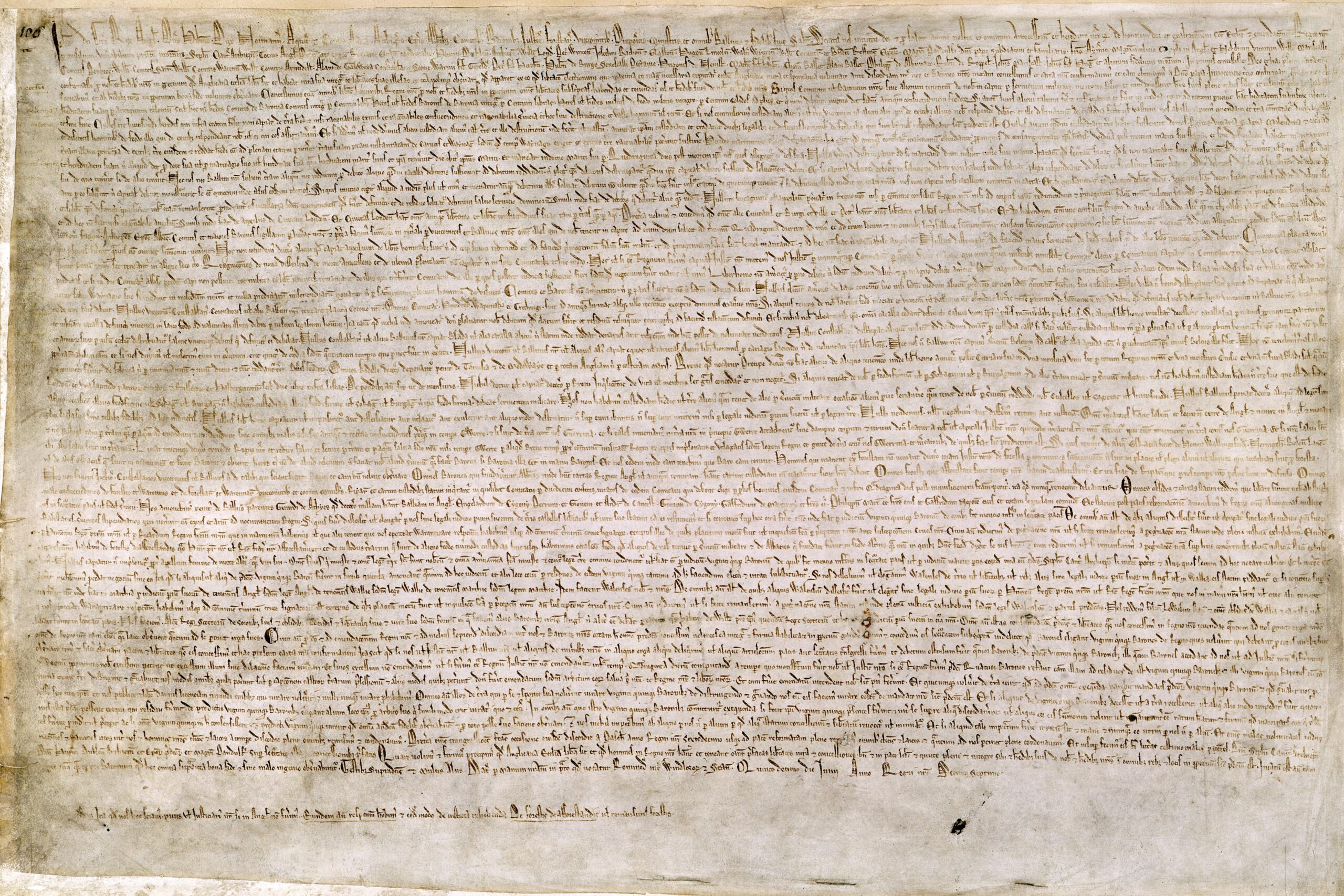
In the early modern Atlantic, few objects carried more political weight than a small sheet of printed paper. A royal order, a tax notice, a ship manifest, a newspaper column, or a revolutionary pamphlet could move faster than an army and outlive the official who wrote it. The printing press did not create empires by itself, but it changed the way rulers, merchants, reformers, and ordinary readers understood power. It made authority visible, repeatable, and contestable.
That is why the history of print is not only a story about technology. It is also a story about trust. Once words could be reproduced at scale, people had to decide which texts were lawful, which were useful, which were propaganda, and which were dangerous enough to ban.
The machinery behind public memory
Before print became common, political communication depended heavily on handwritten copies, public readings, seals, messengers, and local intermediaries. These methods did not disappear after the spread of printing, but print added a new layer of reach. A proclamation could be posted in several towns. A sermon could circulate beyond the church where it was first delivered. A map or diagram could make distant territories appear more legible to people who would never visit them.
Governments quickly understood the value of this machinery. Printed laws, tax forms, calendars, and official notices helped standardize administration across wide spaces. They did not make rule easy, but they reduced dependence on memory and rumor. A colonial governor, a customs officer, or a local magistrate could point to the printed text and present it as fixed authority.
Merchants also benefited. Price lists, bills of exchange, insurance documents, shipping news, and port notices tied commercial communities together. In an Atlantic world shaped by risk, delay, storms, war, and credit, reliable information had economic value. A printed notice could change where a ship sailed, what a merchant insured, or which goods seemed worth buying.
Print and the growth of disagreement
The same tool that helped authorities govern also helped critics organize. Printed arguments could be copied, answered, mocked, and preserved. A censor might stop one edition, but the idea could reappear in another city, another language, or another format. This made public disagreement more durable.
Pamphlets were especially important because they were cheaper and more flexible than large books. They could respond quickly to a crisis: a new tax, a war, a scandal, a religious dispute, or a disputed election. Their short format made them easy to read aloud in taverns, workshops, coffeehouses, and private homes. Even people who did not own many books could encounter printed political language through shared reading.
In this way, print helped create a public arena. It did not include everyone equally. Literacy, money, gender, race, class, and censorship shaped who could write, publish, buy, and be believed. But printed debate widened the number of people who could follow political conflict and remember earlier arguments.
Newspapers and the rhythm of events
Newspapers changed historical time. Instead of hearing about events only through delayed letters or official announcements, readers began to expect regular updates. The rhythm of weekly or more frequent publication encouraged people to imagine themselves as part of a wider conversation. A local reader could see wars, parliamentary decisions, trade disruptions, ship arrivals, and colonial disputes placed side by side.
This arrangement mattered. When different events appear on the same page, readers start connecting them. A tax dispute in one colony, a parliamentary debate in London, a war in Europe, and a shortage in a port town can begin to feel like parts of one system. Newspapers did not simply report the world; they organized it into patterns.
Editors and printers had power because they decided what to include, what to omit, and how to frame it. They could reprint material from other papers, creating networks of repeated language. They could also publish letters under pseudonyms, allowing arguments to circulate with partial anonymity. This made print both a source of information and a battlefield over credibility.
Censorship, licensing, and the fear of paper
Authorities feared print because it could multiply disobedience. Many governments tried to control printers through licensing, taxes, prosecutions, postal restrictions, and seizure of materials. These controls show how seriously rulers took the printed word. A pamphlet was not just paper; it was a portable political event.
But censorship had limits. Banned texts often became more desirable. Smuggling networks moved books and pamphlets across borders. Printers sometimes used false publication locations or anonymous authorship. Readers copied extracts by hand or repeated arguments orally. The struggle over print therefore produced a wider struggle over who had the right to define truth in public.
This tension did not end with revolution. New governments that praised liberty also worried about sedition, libel, misinformation, and foreign influence. The problem remained: once political legitimacy depends partly on public opinion, controlling public language becomes both tempting and dangerous.
Print, revolution, and legitimacy
Revolutionary movements used print to explain why obedience should end. Declarations, petitions, essays, broadsides, and newspapers translated grievances into arguments. They gave scattered complaints a shared vocabulary. They also turned political action into a story that could be remembered and defended.
Printed declarations were especially powerful because they claimed to speak beyond the immediate moment. They were written for enemies, allies, undecided observers, and future generations. Their language often presented revolution not as chaos, but as a necessary defense of rights, law, or historical justice. Whether readers accepted that claim depended on politics, but the printed form gave the claim permanence.
Print also helped revolutions govern after they began. New authorities needed laws, paper money, military orders, public explanations, and diplomatic messages. A revolution that could not communicate could not easily survive. The press became part of the infrastructure of legitimacy.
The limits of the printed public
It is important not to romanticize print. Printed culture could spread false rumors, racial stereotypes, religious hatred, and commercial deception. It could amplify voices that already had money and access while excluding others. Enslaved people, Indigenous communities, women, laborers, and the poor were often written about more than they were allowed to write for themselves.
Even so, excluded groups found ways to use print when opportunities appeared. Petitions, abolitionist texts, autobiographical narratives, court records, church publications, and reform newspapers became tools for challenging official silence. The printed page could preserve testimony that powerful institutions preferred to ignore.
Why it still matters
The history of print explains why media systems matter to political life. Every major communication technology changes who can speak, who can be heard, how quickly claims travel, and how societies decide what is credible. The printing press did this centuries before radio, television, or social media.
It also reminds us that information is never neutral simply because it is reproducible. A printed text can clarify law, expose abuse, organize reform, or spread panic. Its effect depends on institutions, readers, access, and trust. The early modern world learned that a society connected by paper could become easier to govern and harder to control at the same time.
That paradox is still with us. The tools have changed, but the central question remains: when words can move faster than authority, who gets to decide what becomes public truth?