
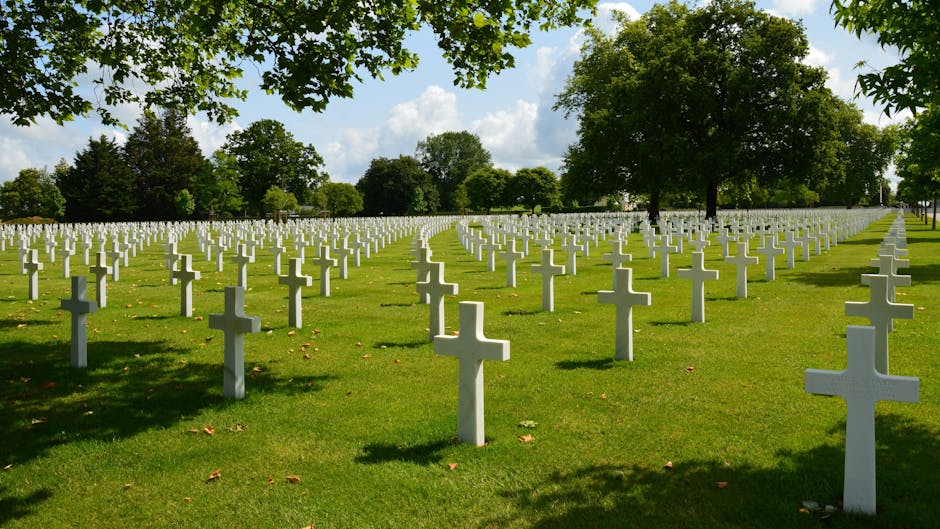
Introduction: The Shadows of Bravery
World War II is etched in history as a clash of titanic powers, heroic moments, and devastating losses. While much attention is paid to legendary battles and iconic leaders, numerous lesser-known, yet profoundly significant stories of bravery remain in the shadows. These narratives are not just tales; they are vivid manifestations of the human spirit under duress. As we explore these riveting stories, we reveal untold facets of war that shine light on courage and resilience that quietly, yet profoundly, shaped the course of this monumental conflict.
Historical Background and Context
The world in the early 20th century was a tumultuous theatre of political ambitions, nationalist fervors, and unresolved grievances from World War I. The Treaty of Versailles left Germany, once a formidable empire, economically crippled and politically humiliated. Elsewhere, Benito Mussolini’s Italy and Imperial Japan harbored expansionist ambitions. As Adolf Hitler rose to power in 1933, propelling his Nazi ideology, Europe was gradually enveloped in a climate of tension and uncertainty. By 1939, when Germany invaded Poland, the precarious balance shattered, plunging the world into a multifaceted conflict spanning continents.
This era was not only defined by major political shifts and colossal battles but also by the courageous contributions of individuals whose stories rarely illuminated headlines. These unsung heroes include spies, resistance fighters, medics, and ordinary citizens who took extraordinary stands against oppression. Their tales enrich our understanding of the war, highlighting the diverse contributions from all fronts.
Key Events: Bravery Across Battlefronts
The Warsaw Ghetto Uprising: April 19-May 16, 1943
In the heart of Nazi-occupied Poland, a remarkable act of defiance unfolded as Jewish residents of the Warsaw Ghetto rose against their oppressors. Despite being outnumbered and outgunned, the Jewish Combat Organization (ŻOB) and the Jewish Military Union (ŻZW) inspired a month-long insurrection. Though ultimately crushed, their bravery resonated globally, symbolizing the tenacity of human spirit under the direst conditions.
Operation Gunnerside: February 27, 1943
In a snowy Norwegian landscape, a group of nine commandos embarked on a mission to sabotage the Nazi nuclear ambitions. Operation Gunnerside, aimed at demolishing the Vemork heavy-water plant, was a spectacular success. The mission’s precision and ingenuity underscored the critical role of covert operations in thwarting the Axis powers and stymieing Nazi advancements in nuclear technology.
The Battle of Monte Cassino: January 17 – May 18, 1944
The series of assaults against Axis fortifications at Monte Cassino in Italy epitomized brutal fighting in harsh terrains. Multinational forces, including Polish, Americans, and New Zealanders, confronted the German military in a gruelling fight that highlighted teamwork and determination. The victory paved the way for the Allied advance towards Rome, marking a turning point in the Italian campaign.
Important Figures: Their Untold Contributions
Nancy Wake: The White Mouse
An intrepid spy during World War II, Nancy Wake became a cherished figure in the French resistance. Her code-named, ‘The White Mouse’, reflected her unparalleled ability to elude capture. Wake orchestrated some of the most daring sabotage operations and played a pivotal role in coding critical information for British intelligence, showcasing the unsung role women played in the success of the Allied campaigns.
Ritchie Boys
The Ritchie Boys, primarily Jewish immigrants who fled Nazi persecution, constituted a vital undercurrent in the intelligence game. Trained in espionage, psychological warfare, and interrogation at Camp Ritchie, Maryland, they provided crucial intelligence that shaped the strategies on the European front, demonstrating how knowledge and courage were pivotal to overcoming Nazi tyranny.
Causes and Consequences
The stories of bravery during World War II did not happen in isolation but were precipitated by dire conditions and oppressive regimes. Totalitarianism, marked by Adolf Hitler’s harrowing ambitions, called for extraordinary resistance. The resulting contributions ranged from minor acts of courage that saved countless lives to large-scale insurrections that altered the war’s course. These sacrifices were not without consequences. The aftermath saw a reshaping of international norms, sparking the formation of the United Nations and setting a precedent for collective global security efforts.
Global Impact and Legacy
The echoes of World War II resonate globally, shaping modern geopolitical structures and international relations. The tension between superpowers established the foundations of the Cold War era, while decolonization movements gained momentum post-war, transforming the political landscapes across Africa and Asia. The unsung narratives of individual valor highlight the power of human agency, ensuring World War II is remembered not only through battles but also through the impactful legacies of modern values such as human rights and justice.
Fascinating Little-Known Facts
Amidst the chaos, there remain unheard stories that provide a fresh perspective on the war. Notably, the use of animals in covert operations—a Polish bear named Wojtek who helped move ammunition for the Polish II Corps or the pigeons used for communication—adds layers to the tactical ingenuity of those fighting against odds. Additionally, the ‘ghost armies,’ specialized units that used deception tactics to mislead Axis forces, underscore the innovative approaches adopted during World War II.
Conclusion: Lessons and Reflections for Today
The unsung tales of World War II extend beyond mere historical recounts—they serve as profound lessons on resilience, innovation, and the indomitable spirit of humanity. As the world faces contemporary challenges, from global conflicts to pandemics, these stories inspire a collective resolve to confront adversity with courage. Recognizing and memorializing these stories empower future generations to appreciate nuanced histories and to continue advocating for peace and justice, reminiscent of those heroes who, though unsung, triumphed in shaping a better world.