
Introduction
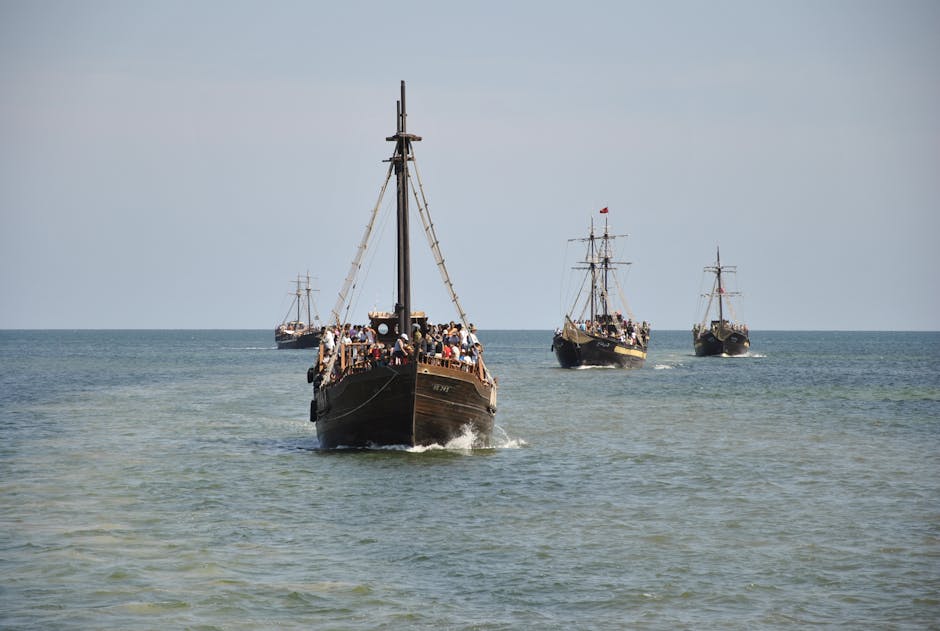
Imagine sailing across the vast Atlantic Ocean in the late 16th century, driven by the pioneer spirit of a young nation eager to establish its foothold in the New World. The year was 1587, and a group of 115 English colonists found themselves embarking on a journey rife with hope, ambition, and dreams of prosperity in the New World. They were the Roanoke colonists, led by the charismatic John White, who envisioned a thriving community on Roanoke Island, located off the coast of present-day North Carolina. However, within a few years, the colony would become infamous for its puzzling mystery: the entire group vanished without a trace, leaving behind no clear indication of what had transpired. How does a community of over a hundred individuals completely disappear, and what does this say about the challenges faced by early settlers? This enigmatic event has captivated historians, archaeologists, and storytellers for centuries, sparking theories that range from the plausible to the fantastic.
This article endeavors to unravel the layers of the Roanoke mystery, tracing its historical context and key events, while spotlighting prominent figures who played pivotal roles. It examines the causes behind the colony’s demise and its consequences on British colonial endeavors. Additionally, we will delve into the global impact and legacy left by this mysterious disappearance, alongside fascinating little-known facts that will enhance your understanding of this intriguing chapter in American history. Now, let us embark on this exploration of one of America’s oldest unsolved mysteries.
Historical Background and Context
The late 16th century was a transformative era in Europe characterized by a burgeoning interest in exploration and colonization. England, under the reign of Queen Elizabeth I, was particularly keen on expanding its territories. As Spain had established formidable colonies in the Americas, England sought to claim its share of the New World. Roanoke Island, an uncharted territory that bristled with opportunity, became an alluring site for English colonization. The island’s strategic location, abundant resources, and potential for trade made it the perfect starting point for English settlers.
Governor Sir Walter Raleigh, a key figure in propagating English interests in America, had received a charter from Queen Elizabeth I in 1584. His mission was to establish a colony that could undermine Spanish dominance and generate wealth for England. Raleigh organized expeditions to explore the North American coast, and it was through these ventures that the existence of Roanoke was first noted. The initial encounter with Native American tribes, including the Croatoans, showcased both the opportunity for collaboration and the potential for conflict.
Following its initial exploration, Raleigh dispatched a group of settlers to Roanoke Island in 1585, led by Sir Richard Grenville. Although the settlers faced numerous challenges, including hostile encounters with Native Americans and inadequate supplies, the foundation of what would later morph into the Roanoke Colony had been laid. Despite these struggles, Raleigh remained hopeful and organized a second group of settlers, ultimately entrusting the leadership of this new endeavor to John White.
John White, the appointed governor, was an artist and mapmaker who had previously accompanied Grenville’s expedition. He was well aware of the existing challenges that plagued the settlement dynamics, including fragile alliances with Indigenous tribes that could shift in an instant. Arriving with his band of colonists in 1587, White found the Roanoke settlement abandoned, leaving behind only the skeletal remnants of previous efforts by Grenville’s group. Undaunted, he and his settlers set forth to create a new future on the island.
Key Events, Battles, and Developments
While the story of Roanoke is often overshadowed by the mystery of its disappearance, several key events and developments unfolded throughout its short history, particularly during the crucial years of 1587 to 1590.
Establishment of the Colony
Upon their arrival in July 1587, White and the colonists built homes and established farming practices. Initial interactions with local Native American tribes were relatively peaceful, but tensions rose as resources became strained. The colonists relied heavily on trade with the Croatoan tribe, but when White returned in search of assistance in 1588, the complicated relationships with Indigenous peoples became tenuous.
White’s Return to England
In August 1587, after only a month of attempting to stabilize the colony, John White returned to England to gather vital supplies and reinforcements. His departure would mark the beginning of an excruciating wait for help. The expedition proved harder than anticipated; faced with England’s escalating conflicts with Spain, White found himself unable to secure any ships for a return journey until 1590.
The Spanish Armada
The year 1588 was pivotal in European history due to the defeat of the Spanish Armada. England’s victory over Spain not only shifted the political landscape but also momentarily distracted British resources away from supporting colonial endeavors. The conflicts that had embroiled England further delayed the return to Roanoke, adding to the uncertainty surrounding the colony.
White’s Disappointing Return
White finally set sail for Roanoke Island in the summer of 1590, only to find the settlement entirely deserted. There were no signs of struggle or violence, only the word “CROATOAN” carved into a tree, leaving White to speculate on its significance. His crew searched nearby for clues but yielded no results, and White had no choice but to abandon the search. Mysteriously disappearing without a trace and leaving no bodies behind, the Roanoke colonists vanished into history.
Important Figures and Their Roles
Numerous individuals played significant roles in the narrative of the Roanoke Colony, helping to shape its legacy and the mystique surrounding it. Here are some key figures who greatly influenced the course of this historical enigma:
John White: As the governor of the Roanoke Colony, John White was crucial to its establishment. A skilled artist and mapmaker, White aimed to build a thriving settlement, although limited resources hindered his endeavors. His eventual return to find the colony abandoned cemented his place in history as the individual who witnessed the first significant American mystery.
Sir Walter Raleigh: The visionary behind the Roanoke project, Sir Walter Raleigh received royal charter and funding for the expeditions that led to the establishment of the colony. His ambitions paved the way for future colonization but were marked by misfortune and shifting priorities due to European political dynamics.
Sir Richard Grenville: As the commander of the 1585 expedition, Grenville’s leadership set the stage for the first attempt at establishing a permanent English settlement in America. His tenure reflected the sacrifices required for the initial forays into colonization and the challenges that would persist.
The Croatoan Tribe: While not directly involved in the administration of the colony, the Croatoan people demonstrated early relationships between European settlers and Native Americans. Their interactions with the Roanoke colonists highlight the fundamental complexities of early colonial endeavors.
Causes and Consequences
The disappearance of the Roanoke Colony can be attributed to a convergence of causes rooted in the broader dynamics of colonization, as well as specific events during its establishment. The causes include severe supply shortages, strained resources, and the need for improved relationships with Indigenous peoples.
As for consequences, the vanishing of the Roanoke colonists had rippling effects on the English colonization efforts. The episode inspired a heightened awareness of the challenges residing in the New World, ultimately leading to further attempts, including the successful settlement of Jamestown in 1607. It demonstrated the risks settlers took for prosperity and exemplified the vulnerabilities that would plague colonies throughout the continent.
Global Impact and Legacy
The legacy of the Roanoke Colony extends beyond the American landscape; it transcends cultural and historical boundaries. The mystery of its disappearance has fueled both commerce and culture, giving rise to countless books, documentaries, and theories. It represents the human spirit’s tenacity in exploring the unknown, an inspiration for future generations of explorers, adventurers, and dreamers. While Roanoke remains one of America’s most profound mysteries, its narrative serves as a reminder of the trials facing the nation’s forebearers and the complexities of early colonial dynamics.
Fascinating Little-Known Facts
1. The term “Lost Colony” was not used until the 19th century, as the original accounts did not characterize Roanoke in such a definitive manner.
2. John White’s journals illustrated not just the challenges of colonization but also provided a window into the cultural exchanges between English settlers and Native Americans.
3. The carved word “CROATOAN” has led to numerous theories, including beliefs that the colonists assimilated with native tribes or fled to nearby regions.
4. One of the earliest recorded mentions of the Roanoke disappearance is in a book written by a Virginia Native American, who suggested that the colonists were ultimately murdered.
5. The site of the Roanoke Colony was designated a National Historic Landmark in 1960, emphasizing its importance in American history.
Conclusion: Modern Relevance
The disappearance of the Roanoke Colony continues to resonate today, functioning as a symbol of both ambition and the vulnerability of human endeavor. As societies grapple with the complexities of migration, colonization, and cultural collision, the Roanoke mystery serves as a poignant reminder of the uncertainties inherent in exploration. Its legacy illustrates the spirit of inquiry that defines our humanity—a call to seek understanding, to question, and to engage with the unknown. The story of Roanoke resonates as we navigate our own collective journey, urging us to reflect on the past even as we forge ahead into unchartered territories.