
Introduction
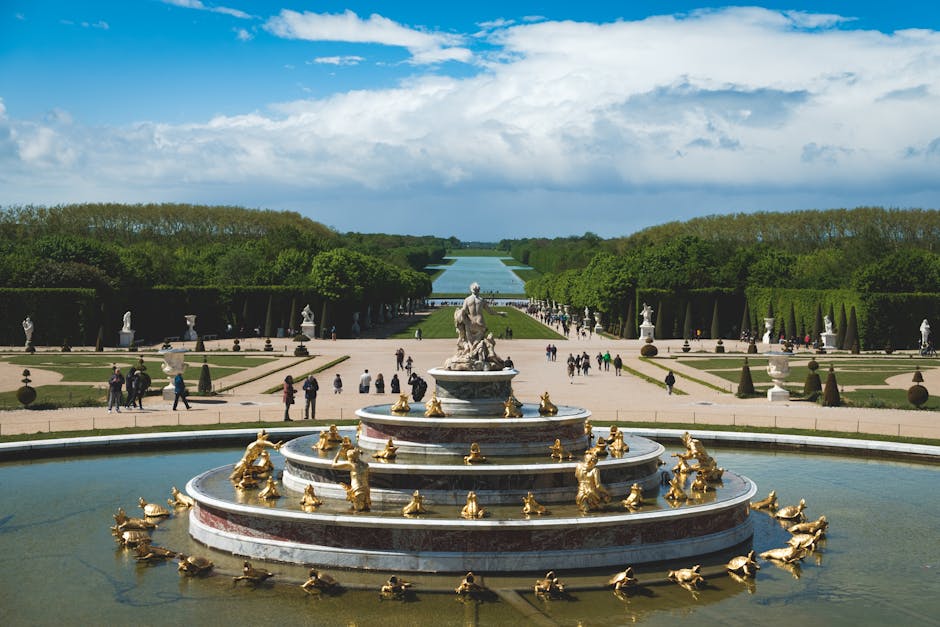
The Treaty of Versailles, signed on June 28, 1919, is often remembered merely as the agreement that ended World War I. However, its ramifications stretch far beyond a mere cessation of hostilities; this document significantly reshaped global politics and sowed the seeds for World War II just two decades later. The complexities of this treaty reflect a historical narrative filled with triumph, betrayal, and the nuances of diplomatic discourse. The decisions made at the Palace of Versailles were a culmination of years of conflict and negotiation, striking a delicate balance between retribution and reconciliation. As we delve deeper into the historical context and significance of this treaty, we uncover a multi-dimensional story that goes far beyond its immediate effects.
Understanding the Treaty of Versailles requires more than just a grasp of political agreements; it necessitates an exploration of the underlying tensions, ambitions, and grievances that characterized the post-war era. The treaty’s intricate articles aimed to secure peace in a war-weary Europe but inadvertently created an environment ripe for unrest. This article seeks to unravel the layers of the Treaty of Versailles, analyzing its historical background, key events, significant figures, consequences, and lasting global impact. So join us as we embark on a journey back to the turbulent years following World War I—a period that not only defined nations but also laid the groundwork for one of the most catastrophic wars in history.
Historical Background and Context
The seeds for the Treaty of Versailles were sown during the tumultuous period of World War I, one of the deadliest conflicts in human history. The war, which spanned from 1914 to 1918, involved numerous nations worldwide, leading to an unprecedented loss of life, with an estimated 9 million combatants and 7 million civilians perishing as a result. The staggering human cost was matched only by the destruction wrought upon landscapes and economies across Europe. The primary belligerents were divided into two major alliances: the Allies, including France, Britain, Russia, and later the United States, and the Central Powers, which were led by Germany, Austria-Hungary, and the Ottoman Empire.
The war radicalized sentiments across nations, culminating in widespread calls for restructuring European borders and relationships. By the war’s end, European empires had crumbled, and new national identities began to surface. The Austro-Hungarian Empire had fragmented into several new nations, while the Ottoman Empire was dismembered, giving rise to modern Turkey and several Middle Eastern states. In the wake of this upheaval, the question loomed large: how to restore stability while preventing another catastrophic conflict?
In response, the Paris Peace Conference was convened in early 1919, marking a historic moment where leaders from around the world gathered to reshape the geopolitical landscape. At the forefront were three significant figures: U.S. President Woodrow Wilson, British Prime Minister David Lloyd George, and French Premier Georges Clemenceau. Each possessed unique visions for the post-war world, marked by their individual philosophies and national interests. The negotiations unfolded under intense scrutiny and pressures, as various factions within the Allied nations demanded different outcomes—some sought to punish Germany harshly for its role in the war, while others aimed for reconciliation and stability.
Central to the negotiations was President Wilson’s Fourteen Points, a framework advocating self-determination and the establishment of the League of Nations, a precursor to modern international cooperation platforms. However, the underlying tensions between punitive desires and restorative efforts led to a compromise that would haunt Europe for decades. The Treaty of Versailles emerged as a compromise rather than a definitive solution, aiming to address the immediate needs of peace while neglecting the long-term consequences of its terms.
Key Events, Battles, or Developments
Several critical events led to the drafting and eventual signing of the Treaty of Versailles. One pivotal moment was the conclusion of hostilities on November 11, 1918, marked by the signing of the Armistice of Compiègne. This armistice laid the groundwork for peace negotiations, allowing the Allied Powers to plan the Paris Peace Conference with a sense of urgency.
The Paris Peace Conference
The conference officially opened on January 18, 1919, and lasted until January 21, 1920. It was a monumental assembly, comprising delegates from 32 nations. Defeated nations were not allowed a seat at the negotiating table, notably excluding Germany and its allies, leading to a perception of injustice and resentment that would reverberate through decades of history.
Key Decisions and Articles
In April 1919, the Allied powers reached consensus on several core issues. Among the notable articles of the treaty, Article 231, commonly referred to as the War Guilt Clause, held Germany accountable for starting the war, serving as a basis for reparations. The reparations imposed were astronomical—initially set at 132 billion gold marks (approximately $33 billion in 1919 dollars), a staggering figure that strained the already suffering German economy.
Additionally, the treaty redrew national borders, creating new nations from the ashes of old empires. For instance, the newly formed states of Czechoslovakia and Yugoslavia were born out of the disintegration of Austro-Hungarian territories. Notably, the Polish Corridor was established to provide Poland access to the Baltic Sea, but this split Germany and created subsequent ethnic tensions.
Another significant article was the restriction placed on the German military, limiting its army to 100,000 men and prohibiting conscription, heavy artillery, and tanks. These limitations aimed to diminish Germany’s capacity for future aggression but also contributed to a sense of humiliation and betrayal felt by many Germans.
The Signing of the Treaty
Finally, on June 28, 1919, the Treaty of Versailles was signed at the Palace of Versailles, exactly five years after the assassination of Archduke Franz Ferdinand, which had ignited the war. The signing of the treaty was overshadowed by diplomatic tension and conflicting interests among the victors, symbolizing the precarious balance sought after the devastation of World War I. Significantly, the treaty’s elaborate details and structure contained elements that most historians agree did not ensure lasting peace.
Important Figures and Their Roles
Among the most influential figures were President Woodrow Wilson, Prime Minister David Lloyd George, and Premier Georges Clemenceau. Each of these leaders brought different national priorities and ideals to the treaty negotiations.
Woodrow Wilson
Woodrow Wilson, the 28th President of the United States, came to the Paris Peace Conference with a vision rooted in idealism. His Fourteen Points emphasized self-determination, open diplomacy, and collective security through a League of Nations. Wilson’s primary objective was to prevent future wars and lay a foundation for global cooperation. His insistence on the League of Nations ultimately made its way into the treaty, despite America’s eventual rejection of the League upon Wilson’s return home.
David Lloyd George
British Prime Minister David Lloyd George sought a more pragmatic approach, balancing the demands for reparations and German punishment with the need for economic stability in Europe. He was influenced by public sentiment in Britain, which portrayed Germany as an enemy, yet he also understood that crippling Germany could lead to instability throughout the continent. Lloyd George argued for a middle ground but ultimately remained a significant proponent of reparative measures against Germany.
Georges Clemenceau
French Premier Georges Clemenceau, known as “The Tiger,” represented a more vengeful perspective, driven largely by France’s devastating experience during the war. Clemenceau sought substantial reparations, territory concessions, and military restrictions on Germany, believing that such measures were necessary to prevent future conflicts. He famously stated, “The Treaty is not about justice; it’s about security for France.” His influences aimed to contain German power, reflecting France’s historical animosities towards its neighbor.
Causes and Consequences
The causes behind the Treaty of Versailles can be attributed to several intertwining factors that evolved throughout World War I. The immediate cause was the desire to end a lengthy and bloody conflict with a decisive peace settlement. However, underlying dynamics played crucial roles; nationalist sentiments, imperial ambitions, and economic desperation all contributed to the difficulties faced during negotiations.
Consequences of the Treaty
One profound consequence was the economic strain inflicted upon Germany. The reparations demanded created rampant inflation and economic collapse, setting the stage for discontent that would fuel radical political movements in the years to come. The harsh penalties fostered resentment within the German populace, giving rise to extremist parties, notably the National Socialist German Workers’ Party (NSDAP), which capitalized on national humiliation and sought revanchism.
Additionally, the treaty’s redrawing of borders without consideration of ethnic groups created new nationalistic tensions. Countries like Czechoslovakia and Yugoslavia faced challenges in establishing stable governance amidst diverse ethnic divisions. Moreover, the discontent with the treaty paved the way for the emergence of the Nazi Party and Adolf Hitler’s rise to power, ultimately culminating in the outbreak of World War II in 1939.
Global Impact and Legacy
The Treaty of Versailles cast a long shadow across the 20th century. While intended to foster peace and security, the treaty’s punitive measures and economic implications bred a cycle of vengeance and hostility that enveloped Europe. The League of Nations, despite Wilson’s idealistic vision, proved ineffective in its role of ensuring global peace.
Legacy of the Treaty
The legacy of the Treaty of Versailles extends into contemporary international relations. The lessons learned from the treaty negotiations and the subsequent interwar years have informed diplomatic strategies aimed at conflict resolution and post-war rebuilding. The establishment of the United Nations in 1945 sought to implement the principles of collective security initially envisioned by Wilson; however, historical wounds from Versailles lingered, influencing power dynamics for decades.
Additionally, the debate surrounding the treaty’s fairness endures in discussions about reparations and historical grievances. Various nations continue to grapple with the legacies of war and peace, examining how international agreements can either foster reconciliation or sow division.
Fascinating Little-Known Facts
While the Treaty of Versailles is commonly referenced in historical discussions, several little-known facts remain obscured. For instance, the treaty contained over 440 articles that detailed the mandates for reparations, military restrictions, and territorial adjustments. Moreover, it wasn’t until the signing of the Treaty of Rapallo in 1922 that Germany and the Soviet Union established diplomatic relations following the treaty’s stipulations.
Additionally, Clemenceau’s House of Commons speech in 1919 famously stressed that “The Treaty of Versailles is an act of war, not an armistice,” foreshadowing the lingering hostility and future aggressions stemming from it. Many historians argue that the humiliation felt by Germans post-Versailles was instrumental in shaping the narrative of German nationalism, which ultimately fueled World War II.
Conclusion with Modern Relevance
The Treaty of Versailles remains a poignant study of how peace settlements can have lasting consequences. Analyzing its history reveals an intricate web of political motivations, national grievances, and the ever-persistent quest for security and stability. The profound implications of the treaty remind us of the fragility of peace and the challenges of ensuring a just and equitable world.
In our modern context, the treaty serves as a cautionary tale, underscoring the importance of inclusivity and consideration of historical narratives in diplomatic processes. As nations continue to navigate complex relationships in an interconnected world, the lessons of the Treaty of Versailles urge us to strive for resolutions that empower healing rather than division. In an era marked by rising nationalism and geopolitical tensions, understanding the past can help inform a more peaceful and collaborative future for all nations.