
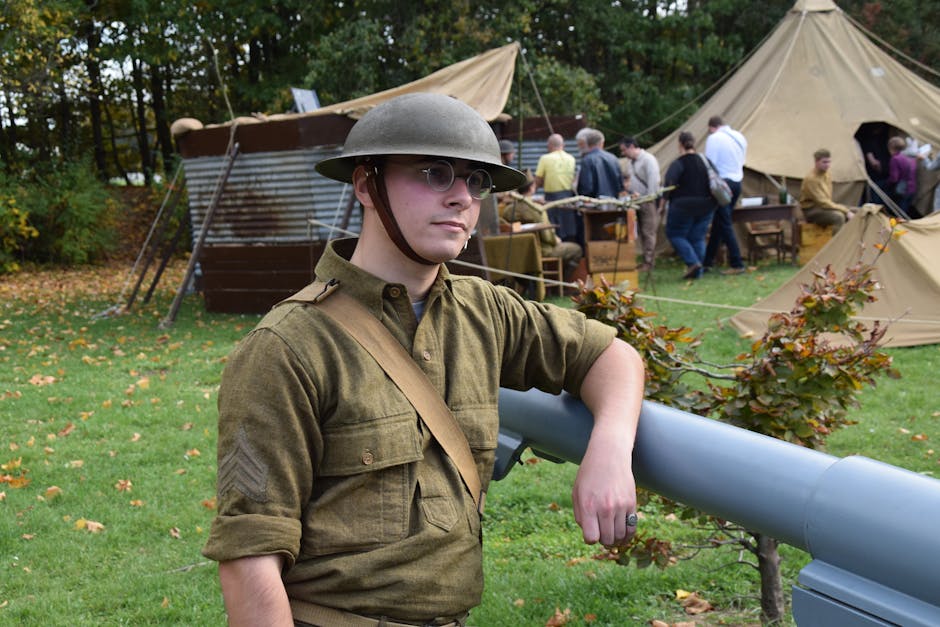
Introduction: A World Torn Asunder
On a fateful summer day in 1914, the world stood on the precipice of an unprecedented catastrophe. Little did anyone know that the assassination of Archduke Franz Ferdinand of Austria would ignite a powder keg of tensions leading to a global conflict known as World War I, or the Great War. Over four years, this monumental clash would engulf Europe and beyond, involving millions of soldiers and resulting in staggering casualties. As cannon fire echoed across the continents, the world was forced to grapple with new realities of warfare, politics, and society. What began as a local incident in the Balkans spiraled into a chaos that saw empires crumble and new nations and ideologies emerge.
In the muddy trenches of France, the horrors of war would forever change perceptions of heroism, duty, and sacrifice. The Great War sowed the seeds for significant social upheavals—women stepped into roles traditionally held by men, ordinary citizens protested against bloodshed, and revolutionary fervor ignited in various regions. Meanwhile, technological innovations, such as tanks and airplanes, began to reshape warfare itself.
As we look back on this pivotal period, it becomes apparent that World War I was much more than a mere military engagement; it was a catalyst for transformation. The text that follows will explore the historical context, key developments, significant figures, and lasting global impacts, uncovering the legacy of a conflict that continues to resonate today.
Historical Background and Context
At the dawn of the 20th century, Europe was marked by a complex tapestry of alliances, national aspirations, rising nationalism, and militaristic cultures. The major powers of Europe—namely, the Austro-Hungarian Empire, the German Empire, the Ottoman Empire, Russia, the United Kingdom, and France—were embroiled in a fierce competition for territorial, economic, and political supremacy. The interplay of alliances including the Triple Alliance (Germany, Austria-Hungary, and Italy) and the Triple Entente (France, Russia, and Great Britain) set the stage for a volatile geopolitical landscape.
The assassination of Archduke Franz Ferdinand on June 28, 1914, in Sarajevo acted as the immediate trigger, but the simmering tensions had been brewing for decades. Nationalism surged as various ethnic groups sought independence from their imperial overlords, while militarism fostered a culture of preparedness for conflict. The arms race of the early 20th century saw an exponential growth in military capabilities among European powers, further fueling the fire.
The political climate was also characterized by complex diplomatic relations. The July Crisis of 1914, which followed the assassination, created an environment ripe for war. Austria-Hungary, with the backing of Germany, delivered an ultimatum to Serbia, which was met with a series of diplomatic failures and mobilizations that saw the entire continent draw into war. By August 4, 1914, Britain declared war on Germany, marking the official beginning of World War I.
Key Events, Battles, and Developments
1. The Outbreak of War (August 1914)
As the summer of 1914 turned to autumn, the war transformed from a localized conflict to a full-blown global confrontation. Initial military strategies involved rapid offensives based on centuries-old tactics—essentially marches of brave infantry charging toward enemy lines. Yet the battlefield of World War I would soon prove that this approach was hopelessly outdated.
2. The First Battle of the Marne (September 6-12, 1914)
One of the war’s first major turning points, the First Battle of the Marne, saw the Allied forces halt the German advance into France. The German Army had outflanked Paris and was poised for victory, but the arrival of fresh troops from Britain and France, along with coordinated defensive tactics, turned the tide. The battle resulted in a shocking defeat for the Germans, leading to a strategic stalemate. Approximately 2 million soldiers engaged in the conflict, with around 500,000 casualties on both sides combined.
3. The Trench War (1915-1916)
By 1915, the nature of warfare had evolved into trench warfare, characterized by elaborate networks of dugouts, barbed wire, and insufferable conditions. Soldiers faced grim realities—disease, dampness, and the constant threat of death. The Western Front saw brutal battles, notably the Battle of Verdun (February 21-December 18, 1916), a testament to human endurance with around 700,000 casualties, marking it as one of the longest and costliest encounters of the war.
4. The Battle of the Somme (July 1-November 18, 1916)
The British offensive at the Somme aimed to relieve pressure on the French forces at Verdun, and it is often remembered for the staggering loss of life on the first day alone—nearly 60,000 British soldiers fell. Over the course of the battle, approximately 1 million men were wounded or killed, and the Allies gained a paltry territory of just a few miles.
5. U.S. Entry into the War (April 6, 1917)
After years of remaining neutral, the United States officially declared war on Germany in 1917. Several factors prompted the U.S. involvement, including unrestricted submarine warfare (most notoriously the sinking of the Lusitania) and the Zimmermann Telegram—a secret proposal from Germany to Mexico to join the war against the U.S. This marked a decisive moment as American troops bolstered the weary Allied forces.
6. The Russian Revolution (1917)
The war also precipitated internal upheaval in Russia. By February 1917, widespread discontent over food shortages, loss of life, and economic hardship led to the abdication of Tsar Nicholas II, leading to the Provisional Government’s rise. This regime, however, could not maintain control, and by October of the same year, the Bolsheviks led by Vladimir Lenin seized power, ultimately withdrawing Russia from the war through the Treaty of Brest-Litovsk in March 1918.
7. The Final Offensive (March-November 1918)
By spring 1918, the Germans launched a series of offensives known as the Ludendorff Offensive, attempting to break the stalemate before American forces could fully deploy. However, the Allies, aided by fresh American troops and a more tactical approach, turned the tide decisively. The Hundred Days Offensive culminated in the Armistice on November 11, 1918, signaling the end of hostilities.
Important Figures and Their Roles
1. Archduke Franz Ferdinand
The assassination of Archduke Franz Ferdinand catalyzed the war. He was heir to the Austro-Hungarian throne and part of the internal fragmentation of the Austro-Hungarian Empire that sparked tensions with Serbia and Russia.
2. Kaiser Wilhelm II
Kaiser Wilhelm II of Germany epitomized the militarism of his nation. His aggressive foreign policies and unconditional support for Austria-Hungary, dubbed the “blank check,” played a critical role in escalating the conflict.
3. David Lloyd George
The British Prime Minister during the latter years of the war, Lloyd George was influential in rallying public support for the war and ultimately contributed to drafting the Treaty of Versailles.
4. Georges Clemenceau
The French Prime Minister, known as “The Tiger,” was a strong advocate for total victory and exerted significant influence on the post-war peace process, emphasizing reparations and security guarantees against future German aggression.
5. Woodrow Wilson
The President of the United States, Wilson framed U.S. involvement as a fight for democracy and articulated the Fourteen Points, a blueprint for a just peace aimed at preventing future conflicts.
Causes and Consequences
Causes
Several interlinked factors led to the outbreak of World War I:
- Nationalism: Various ethnic groups sought independence from empires, leading to tensions within multi-ethnic states like Austro-Hungary and the Ottoman Empire.
- Militarism: Nations built enormous military capabilities and held deep-seated beliefs in warfare, fostering an arms race and the culture of preparedness.
- Imperialism: Competition for colonies and economic dominance among European nations sparked rivalry, particularly in Africa and Asia.
- Alliance System: Entangling alliances meant that a regional conflict could easily spiral into a global conflict.
Consequences
The consequences of World War I were profound and multifaceted:
- Human Cost: The war resulted in an estimated 16 million deaths and 21 million wounded, a tragic testament to the human cost of the conflict.
- Political Reconfiguration: Empires collapsed; the Austro-Hungarian, Ottoman, Russian, and German empires disintegrated.
- Economic Impact: The war strained economies worldwide, exacerbating inflation, unemployment, and social unrest.
- Social Changes: The war brought about significant social changes, particularly in women’s rights, as they entered the workforce in unprecedented numbers.
Global Impact and Legacy
World War I changed the trajectory of history in ways that are still felt today. The geopolitical landscape was irreversibly altered with new nations and mandates forming from the ashes of defeated empires. The Treaty of Versailles imposed harsh reparations on Germany, fostering resentment that would later lead to World War II. Additionally, the League of Nations was established in a bid to ensure lasting peace, though its inefficacy highlighted the challenges of post-war diplomacy.
The conflict also marked the end of old ideologies and the blossoming of new ones—socialism gained traction in the wake of revolution, while many countries started to recognize the importance of civil rights and the role of democracy in governance. The war laid the groundwork for the modern political landscape, and the evolving role of the United States as a global power began to take shape.
Fascinating Little-Known Facts
1. The phrase “no man’s land,” referring to the space between opposing trenches, encapsulates the desolation of the Western Front, as it became synonymous with death and despair.
2. Innovative methods like the use of pigeons for scouting and communication exemplified the ingenuity of soldiers in the face of technological warfare.
3. The war produced a wealth of literature and art—works like Erich Maria Remarque’s “All Quiet on the Western Front” offer poignant reflections on the futility of war.
4. The impact of World War I was felt far beyond Europe; colonies across Africa, Asia, and the Caribbean participated and contributed immensely to the war effort.
Conclusion: Lessons for Modern Society
The centennial of World War I reminds us of the fragility of peace and the cyclical nature of history. As global tensions rise and modern warfare evolves with technology (such as cyber capabilities and drones), the lessons from the Great War remain relevant. The interplay of nationalism, militarism, and imperial ambitions continues to shape international relations. In an interconnected world, the history of World War I calls upon contemporary leaders to learn from the past, emphasizing diplomacy over conflict, and fostering cooperation among nations to prevent a recurrence of such catastrophic wars. As we pursue a more just and equitable future, understanding the ramifications of this profound conflict is crucial in navigating the complexities of the 21st century.