
Introduction: The Enigma of Byzantium
In the annals of history, the Byzantine Empire stands as a beacon of culture, innovation, and political intrigue, captivating scholars and enthusiasts alike. Emerging from the ashes of the Roman Empire, Byzantium flourished for over a millennium, influencing the world in myriad ways. But what lies beneath its monumental walls and shimmering mosaics? By delving into the Byzantine Empire, one can uncover tales of resilience, adaptation, and conflict that shaped Europe and Asia while preserving the knowledge of the ancients. As you journey through this article, prepare to unearth the complexities of this empire’s rise, the challenges it faced, and the legacy it bestowed upon the modern world. Each chapter in this saga is laden with vivid personalities, pivotal battles, and strategic maneuvers that defined an era of history often overlooked by the broader narrative. Whether it’s the grandeur of Constantinople with its golden domes or the valor of its enigmatic emperors, the Byzantine Empire beckons to be explored in full. Join us as we unravel the tapestry of a civilization that thrived against all odds, leaving an indelible mark on history.
Historical Background and Context
The Byzantine Empire, often regarded as the continuation of the Roman Empire, officially emerged in the aftermath of Constantine the Great’s reign. In 330 AD, Constantine established Byzantium as the new capital, renaming it Constantinople—an urban center strategically positioned along key trade routes connecting Europe and Asia. This city would become a crucible of culture, politics, and religion, serving as a stronghold for Christian Orthodoxy amidst the unfolding tensions with Islam and Western Christendom. The empire inherited vast territories and complexities, from Latin-speaking West to the Greek-speaking East, marked by a blend of Roman governance and Greek cultural heritage.
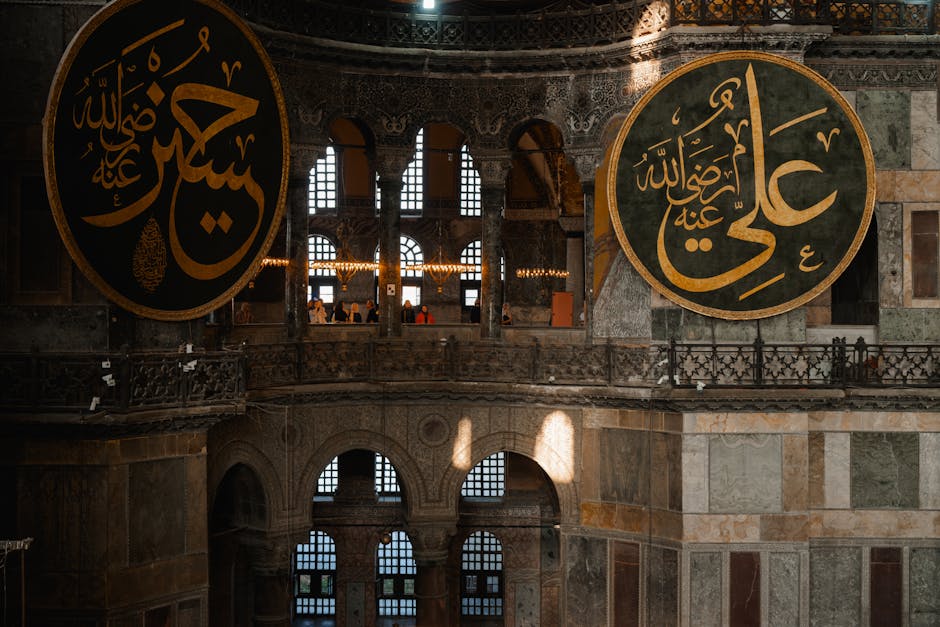
As the West drifted into the Dark Ages following the fall of Rome in 476 AD, Byzantium remained a beacon of civilization, preserving classical knowledge and making significant advancements in art, architecture, law, and science. The 6th century saw the reign of Justinian I, a pivotal figure who sought to reclaim lost territories and reform legal codes through the Corpus Juris Civilis, laying the foundation for modern law. This period was marked by both cultural achievements, such as the construction of the Hagia Sophia, and military campaigns to recover former Roman provinces, leading to transient territorial expansion.
However, the empire faced relentless external pressures from various groups, including Persians, Slavs, and eventually the Ottomans. The Crusades, intended to reclaim the Holy Land, brought both ally and adversary, altering the power dynamics and internal coherence of Byzantium. As instabilities brewed over centuries, the imperial capital stood resilient yet vulnerable, a testament to the enduring legacy of a civilization that bridged the ancient and modern worlds.
Key Events, Battles, and Developments
The Construction of Constantinople (330 AD)
The founding of Constantinople marked a significant turning point in Roman history and set the stage for the Byzantine Empire. Strategically placed on the Bosporus Strait, the city became a pivotal hub for trade between Europe and Asia, establishing itself as a cultural and economic powerhouse.
The Reign of Justinian I (527-565 AD)
During the reign of Justinian I, the Byzantine Empire experienced significant military and administrative reforms. His military campaigns sought to recapture lost territories, most notably during the Gothic War (535-554 AD), which resulted in the temporary reconquest of much of the western regions, including Italy.
The Nika Riots (532 AD)
Justinian’s rule was also challenged by social unrest, exemplified by the Nika Riots in 532 AD, where citizens protested against his policies. The chaos resulted in thousands of deaths, and Justinian quashed the uprising with brute force, solidifying his power amid the turmoil.
The Plague of Justinian (541-542 AD)
The Plague of Justinian ravaged the empire, killing an estimated 25-50 million people, roughly half the population. This significant event altered the demographic and economic landscape, impacting military recruitment and the empire’s ability to sustain its expansionist policies.
The Iconoclast Controversy (726-843 AD)
The disagreement over the use of religious icons divided the Empire and played a significant role in shaping church-state relations. This ongoing conflict saw emperors and church leaders dispute the nature of religious representations, leading to civil strife.
The Fall of Constantinople (1453 AD)
The culmination of centuries of decline came on May 29, 1453, when Ottoman Sultan Mehmed II successfully besieged Constantinople, marking the end of the Byzantine Empire. The event represented not just a change of power but a significant cultural shift, leading to the migration of scholars and texts to the West, influencing the Renaissance.
Important Figures and Their Roles
Constantine the Great (272-337 AD)
A pivotal figure in establishing Christianity as a prominent force, Constantine’s vision transformed Byzantium into a thriving metropolis. His establishment of the Council of Nicaea set theological tenets that shaped early Christianity.
Justinian I (482-565 AD)
Often considered the most significant Byzantine emperor, Justinian initiated extensive legal and military reforms while his construction of the Hagia Sophia epitomized the empire’s architectural prowess. His legacy endures through the Justinian Code, which remains influential in modern legal systems.
Theodora (c. 500-548 AD)
As Justinian’s wife, Theodora played a crucial role in his reign, advocating for social reforms, women’s rights, and policy directions. Her influence is captured in contemporary accounts, depicting her as a powerful and dynamic figure in Byzantine politics.
Alexios I Komnenos (1048-1118 AD)
The emperor during the First Crusade, Alexios I sought military assistance from European powers, reshaping relations between Byzantium and the West. His reign exemplified the complexities of diplomacy and warfare during crusading movements.
Causes and Consequences
Causes of the Byzantine Decline
Multiple factors led to the decline of the Byzantine Empire, including internal strife, economic challenges, and external invasions. The fiscal strain from military expenditure to fend off invaders, notably the Seljuk Turks and later the Ottomans, weakened the imperial authority.
Consequences of the Fall
The fall of Constantinople had profound consequences. It marked the end of the medieval period and the rise of Ottoman dominance in southeastern Europe and the Mediterranean. The city’s fall also accelerated the migration of scholars to the West, prompting the Renaissance, reviving ancient Greek and Roman knowledge in Europe.
Global Impact and Legacy
The Byzantine Empire’s legacy is multifaceted, shaping not only Eastern Europe but also influencing the cultural and religious landscape of the modern world. The preservation of ancient texts, pivotal in the transmission of knowledge during the Renaissance, is one of the empire’s most significant contributions. Byzantine art and architecture, reflected in the grandeur of Hagia Sophia, informed the development of Gothic architecture across Europe. Additionally, religiously, the split between Eastern Orthodoxy and Roman Catholicism laid the groundwork for diverse Christian practices that continue to influence millions today.
Fascinating Little-Known Facts
1. The Byzantine military was renowned for its strategic use of Greek fire, a secret weapon that could engulf enemy ships in flames. 2. The Byzantine Empire was among the first to utilize a complex bureaucracy, implementing a system of appointed officials that functioned across vast territories. 3. The term ‘Byzantine’ is actually a modern designation; those within the empire referred to themselves as Romans, reflecting their continuity with the ancient Roman state.
Conclusion: Lessons from Byzantium
The saga of the Byzantine Empire offers timeless lessons in resilience, cultural preservation, and adaptation amidst adversity. Its rise and fall elevate important discussions regarding identity, unity, and the impact of external forces on internal stability. Modern civilizations can glean insights from Byzantium’s methods of governance, cultural continuity, and approaches to diplomacy in an increasingly interconnected world. The grandeur of Constantinople may have ceased but its legacy endures, reminding us of the intricate tapestry of history that ultimately shapes our shared human experience.